The Seiðr Protocol: A Technical Compendium of Norse Sorcery
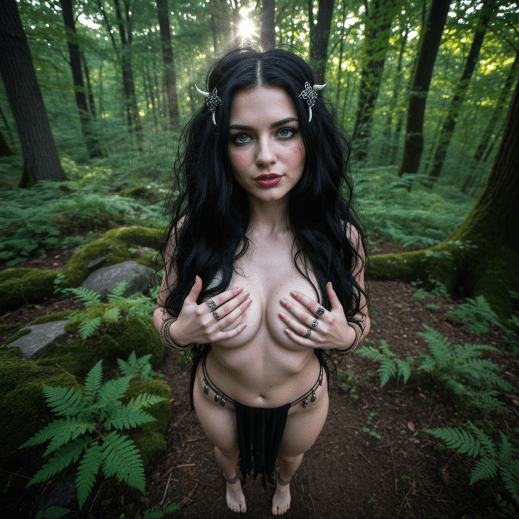
Authored by: Yrsa Freydisdottir, Seiðkona of the Black Fjord
Dedicated to: Volmarr, Walker of the Mystic Path
Classification: Restricted / Eyes of the Initiated Only
Format: Markdown (.md)
Version: 9th Century Standardized Grimoire Edition
1. Introduction: The Architecture of the Unseen
1.1. The Definition of Seiðr
Seiðr is not merely “magic” in the folkloric sense of parlour tricks. It is a complex system of reality manipulation predicated on the perception that the Nine Worlds are not separate locations but simultaneous frequencies of existence. The practitioner acts as the tuner, adjusting their consciousness to resonate with target frequencies, thereby exerting influence over the material substrate.
1.2. The Historical Context
While Odhin gave his eye for wisdom, the art of Seiðr is intrinsically tied to the Vanir—Freyja and Freyr. It is the magic of the earth, the blood, and the subconscious. Unlike the Galdr (rune magic), which commands the universe through force of will and law, Seiðr permeates the universe through surrender, fluidity, and entropy. It is the path of the Völva, the staff-bearer, who sits between the light of Asgard and the dark of Helheim.
1.3. The Core Objective
The ultimate goal of Seiðr is wyrd-shaping. To foresee is merely the byproduct; to act upon the threads of fate is the craft. We do not serve the gods as slaves, but as partners in the weaving.
2. Theoretical Framework: The Seiðr Mechanics
2.1. The Web of Wyrd
Reality is visualized as a vast, multi-dimensional web. Every action, thought, and breath adds a thread to this loom.
- Wyrd: The active, mutable pattern of the web being woven in the present.
- Orlog: The ” primal layers” or the foundational laws that determine how the web is constructed. This is personal destiny, hardwired into the soul.
Technical Note: Seiðr operates primarily on the Wyrd layer. Orlog is nearly immutable for the living, though extreme ritual sacrifice or necromantic bargaining may alter its trajectory.
2.2. The Three-Part Soul Operation
To manipulate reality, one must understand the components of the self:
- Hugr (Mind/Thought): The analytical logic. In Seiðr, this must be bypassed or suppressed. The Hugr creates the map, but it cannot walk the path.
- Hamr (Shape/Form): The energetic double. This is the vehicle used in shapeshifting and projection. It is malleable, fluid, and extends beyond the skin.
- Hamingja (Luck): The reservoir of ancestral power. Seiðr draws fuel from the Hamingja. If this reservoir is depleted, the practitioner suffers illness or madness.
2.3. The Frequency of Ginnungagap
The void between worlds possesses a vibrational frequency that nullifies sensory input. To practice Seiðr is to induce a bio-chemical state in the brain that mimics this frequency—translating the chaotic noise of the universe into ordered data (visions).
3. The Anatomy of the Seiðr Practitioner
3.1. Physical Requirements
The vessel must be maintained with rigorous discipline.
- Diet: Avoid heavy meats before ritual. Consuming fermented fish, goat’s milk, and mushrooms (Amanita muscaria) is common to lower the internal metabolic rhythm and decalcify the pineal gland (the “Third Eye” of the skull).
- Endurance: A session on the Seiðhjallr can last for nine hours (a nítt). Physical stamina is required to maintain the posture.
3.2. Psychological Conditioning
- Ego Death (Hugr-Dispersion): The practitioner must accept that they are a conduit, not the source. Fear creates resistance; resistance snaps the threads.
- Gender Fluidity in Spirit: In the lore, Seiðr is considered ergi (unmanly) because it requires receptivity rather than aggression. The male practitioner must cultivate his anima—the receptive, lunar aspect of the psyche.
3.3. The Seiðr-Team
A solitary Völva is vulnerable. The traditional setup requires:
- The Völva: The operator who enters the trance.
- The Kvikr (The Questioner): The one who asks the questions and interprets the trance speech. Often a Jarl or Chieftain.
- The Varðlokkur (Ward-Lockers): Assistant singers who chant the Varðlokkur to guide the spirit back and forth.
4. The Seiðhjallr: Constructing the High Seat
The Seiðhjallr is the hardware interface between the practitioner and the Otherworlds. It is not a chair; it is an engine.
4.1. Materials and Construction
- Base: A platform raised on four pillars, made of ash or yew.
- Seat: A cushion filled with catkins (willow) and down.
- Railing: A low railing to prevent the practitioner from falling during trance convulsions.
4.2. Positioning
The seat must face the North (the realm of the Norns and Helheim) or the South (Freyja’s realm of Folkvangr). The alignment changes based on the operational goal (necromancy vs. prosperity).
4.3. The Anchor
A chain or rope is sometimes tied to the practitioner’s waist. In advanced Senda (Sending), this prevents the spirit from drifting entirely into the void and failing to find its way back to the body. This is known as the Soul-Tether.
5. The Staff of Sorcery (Seiðrstafr)
The staff is the conductor’s baton. It focuses the electromagnetic energy of the body.
5.1. Specifications
- Length: Shoulder height of the practitioner.
- Core: Willow (for flexibility and water-affinity) or Ironwood (for war and defense).
- Binding: Wrapped in copper wire, which acts as a psychic conductor.
- Gemstone: A quartz or amber crystal set in the top to amplify intent.
5.2. The Risting (Carving) Protocol
The staff must be ritually carved. The runes commonly inscribed are:
- Algiz (Protection)
- Laguz (Flow/Intuition)
- Perthro (Mystery/Destiny)
5.3. Operational Use
During trance, the staff is not held; it is leaned upon or placed across the knees. It acts as an antenna. When the spirit travels, the physical body instinctively grips the staff to anchor the Hamr.
6. The Galdr Vibrational Matrix
Seiðr uses sound to hack reality. This is Galdr.
6.1. The Physics of Chant
Sound creates standing waves in the ether. The human voice, when vibrated at specific frequencies (seed sounds), can dissolve the barrier between worlds.
6.2. The Varðlokkur (Ward-Song)
This is the primary chant used to induce the trance.
- Rhythm: Trochaic dimeter (stress-unstressed).
- Melody: Descending, mimicking the setting of the sun or sinking into the earth.
- Lyrics: Nonsense syllables or Old Norse phrases that bypass the logical brain.
Example Structure:
“Heilo heilo heli het / Hrímþursa hret / Þú ert heim!”
(Hail, hail, hail, hail / Rime-giant’s hate / You are home!)
6.3. Seed Sounds
Each rune has a vibrational counterpart.
- Fehu: “Fffff” (sharp, explosive).
- Uruz: “Uuuu” (deep, guttural).
- Thurisaz: “Ththth” (fricative, biting).
- Ansuz: “Aaaa” (open, resonating in the skull).
By prolonging these sounds while visualizing the rune shape in the throat, the practitioner overwrites their local reality with the rune’s archetype.
7. Operational Protocols
This section details the practical execution of Seiðr.
7.1. Divination (Spá)
Objective: To retrieve information about the Wyrd of a person or clan.
Procedure:
- Preparation: The questioner (Kvikr) states the query clearly. Ambiguity corrupts the data.
- The Link: A token belonging to the subject (hair, clothing, blood) is placed on the Seiðhjallr. This establishes the sympathetic link.
- Induction: The Varðlokkur begins. The Völva enters the trance state.
- The Journey: The Völva visualizes walking the Helveg (Road to Hel). They will encounter symbolic entities—animals, landscapes, or wights.
- Interpretation: The Völva speaks in metaphors. It is the job of the Kvikr to decode them.
- Example: “I see a raven with a broken wing eating a fish.” -> Meaning: Your messenger will be injured, but will bring you news of abundance from the sea.
Safety Protocol: Never look directly at the gods. Use peripheral vision. To gaze upon the full visage of a deity can burn out the mind.
7.2. Shapeshifting (Hamr-Skifting)
Objective: To project the Hamr (shape) into an animal form to travel or spy.
Technical Note: The physical body does not change. This is a psychic projection.
Procedure:
- The Mindset: Do not “think” about being a wolf. You must unthink being a man. Dissolve the ego boundary.
- The Anchor: Ensure the Soul-Tether is secured.
- The Skin: Ideally, wear the pelt of the animal you wish to emulate. This sympathetic resonance aids the transformation.
- The Galdr: Chant the rune Ehwaz (Horse) or Uruz (Aurochs) depending on the beast.
- The Projection: Visualize your skin stretching, your hands becoming paws. Feel the sensory input of the animal—the smell of the forest, the hunger.
- Return: When the Varðlokkur changes pitch or the drum stops, you must instantly retract. Do not linger.
Hazards: If you stay in the form too long, your human mind will fragment. You may forget you were ever Volmarr.
7.3. Sending Forth (Senda)
Objective: To project the spirit to a distant location to influence an outcome or a person.
Mechanics: This is the aggressive form of Seiðr. It is sorcery.
Procedure:
- Target Acquisition: A map is not needed, but a strong mental image or a physical token of the target is required.
- The Projectile: The practitioner enters trance and visualizes themselves as a bolt of lightning or a stream of mist.
- Infiltration: You travel through the Ginnungagap (void) to emerge at the target location.
- Action: Once there, you may whisper suggestions into the sleeping mind of the target, drain their Hamingja, or place a curse (Níð).
- Extraction: This is the most dangerous part. If your spirit is caught by a wight or another sorcerer while projecting, you may be trapped.
Defense against Senda: To know you are being Sent against, look for dreams of suffocation or waking with unexplained bruises. Counter with a salt circle and the rune Laguz to wash the intruder away.
7.4. Necromancy (Necromantía)
Objective: To commune with the dead for knowledge or power.
The Ethics: The dead are lonely and envious of the living. They will lie to you to draw you close.
Procedure:
- The Site: Perform only at a crossroads or a burial mound.
- The Circle: Create a barrier of salt and ash. The dead cannot cross fresh running water or pure salt.
- The Sacrifice: Blood is the key. It must be your own, or that of a black animal.
- The Summoning: Chant Hel (Death) and Perthro (Mystery).
- The Manifestation: The dead appear as shadows or voices in the wind.
- The Bargain: Never promise them your life. Promise them a story, a song, or a memory.
Technical Warning: When you speak to the dead, the cold of Helheim enters your bones. After the ritual, you must sweat it out or fever will take you.
8. Wyrd-Weaving and Orlog Manipulation
8.1. The Concept of “Spinning”
We do not change fate; we knit it into a different pattern.
- Cutting a Thread: To end a life or a situation. Requires Thurisaz (Giant) energy. Dangerous.
- Tying a Knot: To bind two things together (marriage, alliance). Requires Gebo (Gift).
- Unraveling: To undo a curse. Requires Hagalaz (Hail) to break the pattern.
8.2. The Tapestry Visualization
During the trance, the practitioner visualizes the Nornir (the Fates) at the well of Urd. The practitioner does not approach the Norns directly (fatal arrogance). Instead, they approach the fringe of the tapestry and make adjustments there.
9. The Rites of Freyja
Seiðr is the domain of Freyja. She is the Vanadís who taught this art to Odin.
9.1. Invocation
“Freyja, Queen of the Cats, Mistress of the Seiðr,
Who weeps tears of gold for the wandering Othr,
Open the gates of Folkvangr.
Let me pass through the shimmering veil.
Grant me the sight of the Falcon,
The strength of the Boar,
And the wisdom of the Brisingamen.”
9.2. Sexual Energy as Fuel
Freyja is the goddess of love and war. Sexual arousal (Kveld energy) creates a massive bio-electrical charge.
- Technique: Sexual Seiðr. The practitioner engages in ritual acts to raise energy, which is then redirected into the spell rather than released physically. This requires immense control.
10. Hazard Mitigation and Spiritual Hygiene
10.1. The “Fetch” (Fylgja) Damage
If you use your Fylgja (spirit animal) too aggressively, it will weaken. A weak Fylgja means you will lose your luck.
- Repair: Sleep with the animal pelt. Eat the meat of the animal. Do not hunt the animal for sport.
10.2. The “Soul-Loss” (Sjæl-Skifting)
Symptoms: Depression, apathy, constant coldness, dissociation.
- Diagnosis: Part of your Hugr is stuck in the Otherworld.
- Cure: A retrieval ritual. Another practitioner must journey to bring back the missing shard.
10.3. The “Looking Back”
Like Orpheus, looking at the operation while in progress shatters the trance. Trust your Varðlokkur. Trust the darkness.
Appendix: Runic Correspondences
For reference when carving your tools or casting your spells.
| Rune | Name | Esoteric Meaning | Seiðr Application |
|---|---|---|---|
| ᚠ | Fehu | Wealth, Energy | fueling the spell, payment to spirits |
| ᚢ | Uruz | Strength, Vitality | Endurance on the High Seat, healing |
| ᚦ | Thurisaz | Thorn, Giant | Breaking barriers, defensive wards |
| ᚨ | Ansuz | Mouth, Odin | Communication with spirits, divine breath |
| ᚱ | Raidho | Ride, Journey | Astral projection, guiding the soul |
| ᚲ | Kenaz | Torch, Knowledge | Illuminating the darkness, visions |
| ᚷ | Gebo | Gift, Balance | Reciprocity with spirits, binding |
| ᚹ | Wunjo | Joy | Harmonizing the outcome |
| ᚺ | Hagalaz | Hail, Disruption | Destroying obstacles, chaos magic |
| ᚾ | Nauthiz | Need, Friction | Binding enemies, focusing will |
| ᛁ | Isa | Ice | Stopping a situation, freezing enemies |
| ᛃ | Jera | Year, Harvest | Timing the ritual correctly |
| ᛇ | Eihwaz | Yew | Protection, travel between worlds |
| ᛈ | Perthro | Secret, Lot Cup | Divination, hidden knowledge |
| ᛉ | Algiz | Elk, Protection | Shielding the spirit, safety |
| ᛊ | Sowilo | Sun | Success, victory, clarity |
| ᛏ | Tiwaz | Tyr, Justice | Binding oaths, legal magic |
| ᛒ | Berkano | Birch, Birth | New beginnings, fertility of the spirit |
| ᛖ | Ehwaz | Horse | Trust, partnership, shapeshifting |
| ᛗ | Mannaz | Man | Social influence, self-knowledge |
| ᛚ | Laguz | Water | Intuition, psychic flow, dreams |
| ᛜ | Ingwaz | Ing (Frey) | Potential, gestation of spells |
| ᛞ | Dagaz | Dawn | Breakthrough, transformation |
| ᛟ | Othala | Homeland | Ancestral power, protection |
Thus concludes the protocol. Treat these words as you would a blade—sharp, cold, and requiring a steady hand. The web waits for no one.
The Elder Futhark: A Grimoire of Esoteric Wisdom, Divination, and Sorcery

Authored by Yrsa Freydisdottir, Seeress of the Black Fjord
For the Seeker Volmarr, Walker of the Mystic Path
Preface: The Nature of the Runes
The runes are not merely letters carved into stone or wood; they are the fundamental frequencies of existence, the building blocks of reality itself. Before the spoken word, there was the rún—a secret, a whisper, a hidden truth. They are the crystallized breath of the All-Father, Odin, who hung upon the World Tree for nine nights, pierced by his own spear, to snatch this wisdom from the depths of the void.
To work with the runes is to engage with the raw, untamed forces of nature and the cosmos. They are alive. They respond to will, intent, and blood. This guide serves as a map to navigate those treacherous and beautiful waters, detailing the esoteric architecture of each stave, its voice in divination, and its application in the sorcerous arts of galdr and seidhr.
The First Aett: The Aett of Freyja and Freyr (Fertility, Creation, Wealth)
This first aett (family of eight runes) is associated with the Vanir gods—Freyja and Freyr. It concerns the primal forces of life, wealth, fertility, and the material plane. It is the foundation upon which the world is built.
1. Fehu (ᚠ) – Cattle / Wealth
Esoteric Architecture:
Fehu is the primal fire of creation in its movable, manifested form. It represents “mobile wealth”—energy that flows, circulates, and possesses potential. In the ancient mind, cattle were the measure of a man’s worth, for they provided sustenance, clothing, and power. Esoterically, Fehu is the raw, untamed life force (Megin) that drives ambition, desire, and the accumulation of resources. It is the spark of existence that says, “I am.”
Divination Meaning:
- Upright: Wealth, fulfillment, abundance, financial strength, luck, energy, new beginnings, success. The flow of energy is unblocked and moving in your favor. It suggests that now is the time to seize opportunities and to generate momentum.
- Reversed (Merktstave): Loss of possessions, greed, frustration, failure, poverty, a blockage of energy. It warns of burnout or the mismanagement of resources. The fire has been stifled or allowed to burn destructively.
Magickal Spell Use:
- Galdr (Chant): * “Fehu-Fe-Feoh-Fay-Fax-Fon…”* (Focus on the ‘F’ sound, vibrating the chest).
- Intent: Used to attract wealth, money, and material success. It is excellent for business ventures, job interviews, or when one needs to generate energy quickly.
- Ritual Action: Carve Fehu onto a coin or a piece of gold leaf. Carry it in your pocket to ensure money flows to you. Anoint it with a drop of honey or mead to sweeten the deal.
2. Uruz (ᚢ) – Aurochs / Strength
Esoteric Architecture:
Uruz embodies the primordial ox, a now-extinct wild beast known for its ferocity and untamed strength. This rune is the raw, life-sustaining energy of the universe, distinct from the “wealth” of Fehu. Uruz is the endurance of the body, the health of the blood, and the primal instinct to survive. It is the sculptor of form, the force that carves the canyons and strengthens the sinews. It represents the “Will to Power” in its most physical, vital sense.
Divination Meaning:
- Upright: Strength, health, vitality, untamed potential, wisdom, courage, perseverance. It signals a time of great physical or spiritual endurance. You are being called to tap into reserves of power you did not know you possessed.
- Reversed (Merktstave): Weakness, sickness, misdirected energy, brutality, foolishness, death (in the sense of endings). It warns that your strength is failing or being used for the wrong purpose. The body is weary.
Magickal Spell Use:
- Galdr (Chant): * “Uruz-Ur-Oor-Urs-Urn-Uth…”* (Focus on the deep, guttural ‘U’ sound, projecting from the diaphragm).
- Intent: Used for healing, especially for recovery from illness or surgery. It is the rune of athletes and warriors, used to boost physical stamina and testosterone. It can also be used to lend strength to a failing project or relationship.
- Ritual Action: Carve Uruz onto a piece of hard wood or bone. Rub it with the sweat of your brow (or a drop of your own blood during a waning moon) to bind your vitality to the talisman. Wear it close to the skin.
3. Thurisaz (ᚦ) – Giant / Thorn
Esoteric Architecture:
Thurisaz is the force of chaotic defense and the penetrating power of the thorn. It is associated with the Thursir (Giants), the chaotic forces of destruction that clear the way for new growth. This rune is the lightning bolt—sudden, sharp, and transformative. It represents the phallic power of generation and the defensive spine of the hedge. It is the gateway of the gods, the paradox of destruction serving creation. It is the “will” that strikes down opposition.
Divination Meaning:
- Upright: Defense, confrontation, reactive force, instinctual knowledge, regeneration, sacrifice. A challenge is coming that you must meet head-on. It is a call to action, advising you to use your strength to break through obstacles.
- Reversed (Merktstave): Danger, betrayal, vulnerability, evil intent, loss of control. The defenses are down, or you are acting with unnecessary aggression. Chaos threatens to overwhelm order.
Magickal Spell Use:
- Galdr (Chant): * “Thurisaz-Thor-Thur-Thurs-Thing-Thoth…”* (Focus on the vibrating ‘Th’ sound, biting the tongue slightly).
- Intent: Primarily a rune of protection and banishing. It is used to destroy enemies, break curses, or shatter mental blocks. It is potent for shadow work—confronting the darker aspects of the self to integrate them.
- Ritual Action: Carve Thurisaz onto a sharp stone or a blackthorn branch. Bury it at the boundary of your property to ward off unwanted intruders, both physical and spiritual. It can be thrown into a fire to release chaotic energy.
4. Ansuz (ᚨ) – The Aesir / Mouth
Esoteric Architecture:
Ansuz is the rune of Odin, the All-Father, and represents the divine breath, the “Odinic consciousness,” and the power of the spoken word. It is the source of intellectual and spiritual inspiration. While Fehu is physical wealth and Uruz is physical strength, Ansuz is the wealth and strength of the mind. It is the connection between the human and the divine, the antenna that receives the whispers of the gods. It is the magic of poetry, logos, and truth.
Divination Meaning:
- Upright: Wisdom, communication, signals, messages, divine inspiration, revelation, truth. A message is coming, or you are being given the clarity to speak your truth. It signifies blessings from the gods and the power of the mind.
- Reversed (Merktstave): Miscommunication, delusion, failed plans, false advice, misunderstanding. You are not listening to the gods or your own intuition. The connection is severed or corrupted by lies.
Magickal Spell Use:
- Galdr (Chant): * “Ansuz-An-Os-Aes-Ans-Ant-Anz…”* (Focus on the open, resonant ‘A’ and ‘N’ sounds, imagining the vibration filling the skull).
- Intent: Used to enhance psychic abilities, clairvoyance, and divination. It is the master rune for academic success, passing exams, or mastering a new language. It is invoked to ensure one’s words are heard and believed.
- Ritual Action: Carve Ansuz onto a piece of amber or ash wood. Hold it to your throat or third eye while meditating to open the channels of communication. Burn sage or mugwort alongside it to purify the air for messages.
5. Raidho (ᚱ) – Ride / Journey
Esoteric Architecture:
Raidho symbolizes the journey, both the physical travel across the land and the spiritual journey of the soul. It represents rhythm, order, and the “right” path. It is the wheel of the sun chariot and the cycle of day and night. Esoterically, it is the alignment of personal will with cosmic will (Wyrd). It teaches that there is a time and place for everything, and that moving in harmony with the natural order brings success. It is the structure of the ritual itself.
Divination Meaning:
- Upright: Travel, movement, rhythm, evolution, progress, right action, self-control. You are on the correct path. Things are moving forward, and the rhythm of your life is finding its beat. It suggests a physical journey or a progression in a matter.
- Reversed (Merktstave): Stagnation, disruption, dislocation, death (of a journey), confusion. The wheels have fallen off. You are trying to force movement against the natural flow, or you have lost your way.
Magickal Spell Use:
- Galdr (Chant): * “Raidho-Rat-Ride-Raid-Ron-Rad-Reid…”* (Focus on the rolling ‘R’ sound, mimicking the turning of wheels).
- Intent: Used for safe travel and to ensure a favorable outcome to a journey. It is excellent for legal matters, ensuring justice is served (right action). It is also used in astral projection or pathworking to guide the soul safely back to the body.
- Ritual Action: Carve Raidho onto a small talisman and place it in your vehicle or shoe before traveling. It can also be drawn on a map to trace a safe route.
6. Kenaz (ᚲ) – Torch / Knowledge
Esoteric Architecture:
Kenaz is the controlled fire of the hearth, the forge, and the intellect. Unlike the raw wildfire of Fehu, Kenaz is the distilled flame of knowledge, creativity, and technical skill. It is the light that banishes the darkness of ignorance. It represents the “fire of transformation,” where raw materials are forged into tools of power. It is the rune of the artist, the smith, and the magician who shapes reality with understanding.
Divination Meaning:
- Upright: Knowledge, illumination, creativity, inspiration, technical ability, clarity. A breakthrough is occurring. You are seeing things clearly for the first time. It is a very positive omen for artistic or scientific endeavors.
- Reversed (Merktstave): Stagnation, false knowledge, betrayal, loss of vision, darkness. The fire has gone out or is consuming everything in its path. You are deluding yourself or being deceived by others.
Magickal Spell Use:
- Galdr (Chant): * “Kenaz-Ken-Ka-Kan-Kof-Kin-Kon…”* (Focus on the bright, sharp ‘K’ sound, visualizing a spark igniting).
- Intent: Used to bring clarity to a confused situation. It is the rune of students and craftsmen, invoked to learn skills quickly. It is used in sex magic to ignite passion and to “heat up” a relationship that has grown cold.
- Ritual Action: Carve Kenaz onto a candle and light it during study or creative work. The rune can be drawn with oil on the forehead to open the mind.
7. Gebo (ᚷ) – Gift
Esoteric Architecture:
Gebo is the rune of the sacred gift, the bond of hospitality, and the balance of exchange. It represents the law of reciprocity: for every action, there is an equal and opposite reaction. In relationships, it is the perfect balance of give and take, the foundation of a healthy marriage. Esoterically, it represents the union of opposites—god and human, spirit and matter, giving and receiving. It is the “X” that marks the spot of connection.
Divination Meaning:
- Upright: A gift, generosity, balance, partnership, union, freedom. A gift is coming to you, or you are called to give one. It signifies a balanced relationship or a fair exchange. It can also indicate freedom from bondage.
- Reversed (Merktstave): Greed, poverty, corruption, loneliness, sacrifice without return. The balance is broken. Someone is taking without giving, or you are giving too much of yourself away.
Magickal Spell Use:
- Galdr (Chant): * “Gebo-Gay-Gab-Gif-Geb-Goth-Gam…”* (Focus on the guttural ‘G’ sound, grounding the energy).
- Intent: Used to form and strengthen partnerships, be they marriage, business, or magical alliances. It is invoked to ensure fairness in a deal. It can also be used to free oneself from addiction or unhealthy attachments by restoring balance.
- Ritual Action: Gebo is rarely carved; it is more often drawn with the finger or a wand. Trace Gebo over the hands of two people joining in partnership to seal their bond.
8. Wunjo (ᚹ) – Joy
Esoteric Architecture:
Wunjo is the realization of bliss, the harmony of the spirit, and the rewards of right living. It is the “frith” (peace) that comes when all things are in their right place. It represents the fellowship of the clan, the warmth of the hall, and the ecstasy of the gods. It is the culmination of the first aett—where wealth (Fehu), strength (Uruz), and knowledge (Ansuz) combine to produce spiritual joy and satisfaction.
Divination Meaning:
- Upright: Joy, comfort, harmony, prosperity, spiritual rewards, fellowship. You are where you are meant to be. Happiness is not just a possibility but a certainty if you stay the course.
- Reversed (Merktstave): Sorrow, strife, alienation, delusion, unhappiness. The hall is burning or you are cast out of it. You are seeking joy in the wrong places.
Magickal Spell Use:
- Galdr (Chant): * “Wunjo-Win-Wun-Wof-Wen-Wan-Wuth…”* (Focus on the rounded ‘W’ and ‘O’ sounds, smiling as you chant).
- Intent: Used to attract happiness, success, and favorable outcomes in all endeavors. It is the rune of celebration, invoked during feasts or to bless a new home. It is used to heal depression or deep sadness.
- Ritual Action: Carve Wunjo onto a piece of apple wood (a tree of joy) and hang it in the main room of the house to promote harmony and laughter.
The Second Aett: The Aett of Heimdall (The Ancestral Guardians)
This aett is named for Heimdall, the guardian of the gods, but it is deeply tied to the concepts of order, ancestors, and the preservation of the community. These runes deal with the structures of society, the challenges of growth, and the trials of the spirit.
9. Hagalaz (ᚺ) – Hail
Esoteric Architecture:
Hagalaz is the rune of disruption and crisis. It represents the hailstorm that destroys crops but also the transformative power of nature that clears the ground for new growth. It is the primal chaos that breaks down stagnant forms. Esoterically, it is the rune of the “crystalline structure” of reality—the seed pattern of all things. It is destructive but necessary; it breaks the ego so that the true self can emerge. It is the wake-up call.
Divination Meaning:
- Upright: Disruption, destruction, loss, crisis, uncontrolled forces, natural disaster. A storm is coming that you cannot stop. You must endure and rebuild. The destruction is necessary for your evolution.
- Reversed (Merktstave): (There is no reversal for Hagalaz as it is symmetrical, but it can be read in context): Painful, slow change, avoidance of necessary lessons, stagnation disguised as peace.
Magickal Spell Use:
- Galdr (Chant): * “Hagalaz-Hag-Hal-Ha-Hof-Hon-Hath…”* (Focus on the harsh, breathy ‘H’ sound, exhaling sharply).
- Intent: Used to break destructive patterns or habits. It is the rune of baneful magic, used to curse or to destroy enemies by bringing chaos into their lives. However, it is also used in deep transformative magic to shatter the old self so the new self may be born.
- Ritual Action: Hagalaz is carved onto a piece of ice and allowed to melt. As it melts, visualize the problem dissolving. It can also be carved onto a stone and thrown away from you into a wilderness area.
10. Nauthiz (ᚾ) – Need / Necessity
Esoteric Architecture:
Nauthiz represents the friction generated by unfulfilled desire. It is the force of “need” that drives action. It is the rune of resistance and delay, teaching patience and resilience. Esoterically, it is the fire of Will that is forced to burn low due to lack of fuel, making it hotter and more concentrated. It is the rune of the Wyrd that binds us to our fate, the chain that we must pull against to grow stronger. It is the master of the self through self-discipline.
Divination Meaning:
- Upright: Need, restriction, delay, friction, resistance, discipline. You are being constrained, but this constraint is necessary to build character or skill. You must be resourceful.
- Reversed (Merktstave): Compulsion, emotional distress, obsession, unwanted outcomes, regression. The need has turned into desperation. You are acting out of fear rather than strength.
Magickal Spell Use:
- Galdr (Chant): * “Nauthiz-Nay-Not-Naus-Nid-Neth-Nin…”* (Focus on the nasal ‘N’ sound, constricting the throat slightly).
- Intent: Used to create a bind or a restriction on an enemy (to hinder them). It is also used to gain protection through “need-fire”—a ritual fire created by friction. It is invoked to help one stick to a difficult diet or regime.
- Ritual Action: Tie a knot in a piece of string while chanting Nauthiz to bind a person’s actions. To break free from a need, cut the knot.
11. Isa (ᛁ) – Ice
Esoteric Architecture:
Isa is the primal element of ice and stillness. It represents the freezing of things in time, the pause between actions, and the crystal-clear clarity of the frozen state. It is the force that stops the chaotic flow of the waterfall, allowing it to form a solid structure. Esoterically, it is the rune of the ego and the self-centered mind, which can be both a shield and a prison. It is the silence in which wisdom can be heard, but it is also the cold that kills if one remains still too long.
Divination Meaning:
- Upright: Standstill, stasis, freezing, impasse, frustration, coolness. A situation is frozen. Nothing is moving. This is a time for reflection, not action. Wait for the thaw.
- Reversed (Merktstave): (Symmetrical): Confusion, lack of clarity, melting of defenses, betrayal, slipping on ice. The stasis is breaking into chaos.
Magickal Spell Use:
- Galdr (Chant): * “Isa-I-Ice-Is-Ee-Ill-Eel…”* (Focus on the long, drawn-out ‘I’ sound, stilling the breath).
- Intent: Used to stop a situation, to “freeze” an enemy in their tracks, or to halt gossip. It is used in meditation to still the mind. It can be used to preserve a state of being or to cool down inflammation in the body.
- Ritual Action: Draw Isa on your forehead with cold water. Place a piece of ice in a bowl on your altar to represent the problem, and let it melt away to nothing.
12. Jera (ᛃ) – Year / Harvest
Esoteric Architecture:
Jera represents the cycle of the year, the turning of the seasons, and the inevitability of natural law. It is the rune of reward for effort, the harvest that comes after the long labor of planting and tending. It is the motion of the sunwheel. Esoterically, it teaches that nothing happens overnight; success is a slow process of right action repeated over time. It is the rune of patience and the trust that the universe will provide if the laws are followed.
Divination Meaning:
- Upright: Harvest, cycles, reward, movement, natural development, change. Success is coming, but you must wait for the season to turn. You are on a cycle of positive growth.
- Reversed (Merktstave): (Symmetrical): Bad timing, repetition, stagnation in a cycle, premature harvest, wasting the fruit of labor. Trying to rush the process.
Magickal Spell Use:
- Galdr (Chant): * “Jera-Yar-Year-Jer-Yon-Jin-Jur…”* (Focus on the ‘Y’ and ‘R’ sounds, rotating the body slightly).
- Intent: Used to bring a project to fruition or to speed up a natural process (though only within the bounds of fate). It is excellent for farming, business growth, or any endeavor that requires time to mature.
- Ritual Action:
- Carve Jera onto a handful of grain or seeds.
- Plant them with the intent that the project grows as the plant does.
- It can also be worn to ensure justice is served over time.
13. Eihwaz (ᛇ) – Yew
Esoteric Architecture:
Eihwaz represents the Yew tree, a tree of immense longevity and resilience, often found in graveyards. It is the axis mundi, the connection between the lower world (Helheim), Midgard, and the upper world (Asgard). It is the rune of endurance and the magical shield. Esoterically, it represents the spinal column and the Kundalini energy. It is the rune of the “death-defier,” the ability to survive the transition between states of being. It is the第十三 (13th) rune, often associated with the spookier aspects of the path.
Divination Meaning:
- Upright: Endurance, protection, strength, reliability, initiation, testing. You have the strength to pass through the trials. You are protected by the ancestors. A transition is occurring.
- Reversed (Merktstave): (Symmetrical): Confusion, destruction of defense, weakness, lack of initiative. You are blocking the flow of energy between the worlds.
Magickal Spell Use:
- Galdr (Chant): * “Eihwaz-Eye-Ei-Eoz-Eew-Eih-Eth…”* (Focus on the diphthong ‘Ei’ and the vibrating ‘Z’ sound).
- Intent: Used for powerful protection, especially magical protection. It is the rune of initiation, used to help one pass through the “gateways” of life and death. It is invoked to communicate with the dead.
- Ritual Action: Carve Eihwaz onto a staff of Yew wood or wear a carving of it as an amulet. It is the ultimate shield.
14. Perthro (ᛈ) – Lot Cup / Mystery
Esoteric Architecture:
Perthro (or Perthro) is the rune of destiny, specifically the “secret” aspects of fate that are hidden from the conscious mind. It represents the cup from which the Wyrd is poured, the dice that are cast by the Norns. It is the womb of creation. Esoterically, it deals with the subconscious, the unknown, and the results of actions that have already been set in motion. It is the rune of gambling, luck, and the deep mysteries of femininity.
Divination Meaning:
- Upright: Destiny, hidden things, mystery, luck, chance, evolution. Something is being revealed. The outcome is already determined, but you cannot see it yet. Trust the process.
- **Reversed (Merktstave): (This rune is often debated regarding reversal, but usually read as) Stagnation, secrets, unpleasant surprises, empty cup, loneliness. The mystery is not a benevolent one. You are deluding yourself about the odds.
Magickal Spell Use:
- Galdr (Chant): * “Perthro-Pear-Per-Pest-Poth-Pen-Pur…”* (Focus on the ‘P’ and rolling ‘R’, whispering like a secret).
- Intent: Used for divination and clairvoyance. It is the rune to invoke to find lost objects or to uncover secrets. It is used in sex magic to promote fertility or to determine the sex of a child.
- Ritual Action: Cast lots (stones, bones, or dice) while invoking Perthro to gain insight into hidden matters.
15. Algiz (ᛉ) – Elk / Protection
Esoteric Architecture:
Algiz represents the elk-sedge, a plant with sharp leaves, or the antlers of the elk that protect the animal. It is the ultimate rune of defense and connection to the higher self. It resembles a human reaching up to the heavens or the outstretched wings of a protective bird. Esoterically, it is the rune of the Hamingja (guardian spirit) and the * fylgja* (fetch). It is the channel through which divine energy enters the aura to shield it.
Divination Meaning:
- Upright: Protection, shelter, connection to the gods, new opportunities, awakening. You are being watched over. A powerful defense is active around you.
- Reversed (Merktstave): Vulnerability, danger, hidden danger, failure, ill-health. The defenses are down. You are exposed to the elements or to evil intent.
Magickal Spell Use:
- Galdr (Chant): * “Algiz-Al-Agz-El-Aul-Ang-Ath…”* (Focus on the open ‘A’ and the vibrating ‘Z’, raising hands in a V-shape).
- Intent: Used for protection of the self and others. It is the most effective rune for magical shielding. It is also used to make contact with one’s guardian spirits or higher self.
- Ritual Action: Carve Algiz onto your shield or weapon. Draw it in the air above a person or object to bless and protect them. It can be worn as a pendant for constant spiritual defense.
16. Sowilo (ᛊ) – Sun
Esoteric Architecture:
Sowilo is the rune of the sun, the guiding light, and the wholeness of the self. It represents the victory of light over darkness, the will to achieve, and the goal of the journey. It is the lightning bolt of inspiration and the heat of success. Esoterically, it is the Sael (soul) or the Sola (sun) consciousness. It integrates the lower and higher selves, bringing everything into a state of wholeness and guidance.
Divination Meaning:
- Upright: Success, goals, honor, victory, power, guidance, life force. You are on the path to a great victory. The sun is shining on your endeavors. Confidence is high.
- Reversed (Merktstave): (Symmetrical): False goals, bad advice, gullibility, loss of goals, death of the light. You are chasing a mirage. Success is hollow or comes at too high a cost.
Magickal Spell Use:
- Galdr (Chant): * “Sowilo-Sol-Sow-Sig-Sul-Son-Suth…”* (Focus on the hissing ‘S’ sound, visualizing a golden light filling the body).
- Intent: Used to achieve success in any endeavor. It is the rune of victory, invoked in competitions or battles. It is used for healing, bringing vital life force into the body. It clears away shadow and confusion.
- Ritual Action: Carve Sowilo onto a gold disk or sunstone. Turn it to the east and charge it in the sunlight. Wear it to bring honor and success.
The Third Aett: The Aett of Tyr (The Sky Father and Justice)
The final aett is associated with Tyr, the god of war and justice, and the cosmic order. These runes deal with the human condition, spirituality, transformation, and the ultimate heritage of mankind.
17. Tiwaz (ᛏ) – Tyr
Esoteric Architecture:
Tiwaz is the rune of the god Tyr, the one-handed sky god who sacrificed his hand to bind the Fenris Wolf. It represents justice, sacrifice, law, and rationality. It is the vertical axis connecting the earth to the sky. Esoterically, it is the rune of the “Warrior of Light,” the one who fights for the right cause regardless of the personal cost. It represents the intellect, the self-sacrifice needed for the greater good, and the victory of the spirit.
Divination Meaning:
- Upright: Victory, justice, leadership, determination, self-sacrifice, analysis. You will win, but you must be willing to pay the price. Justice is on your side. Be a leader.
- **Reversed (Merktstave): (Mirrored): Unbalanced justice, lack of victory, defeat, weakness, sacrifice without gain. You are fighting the wrong battle, or the cost is too high.
Magickal Spell Use:
- Galdr (Chant): * “Tiwaz-Ti-Tay-Tew-Ton-Tin-Tur…”* (Focus on the sharp ‘T’ sound, striking the air with a hand).
- Intent: Used to gain victory in legal battles or competitions. It is the rune of the just warrior, invoked to ensure a fair fight. It is used to help one make difficult decisions with logic and honor.
- Ritual Action: Carve Tiwaz onto your sword or weapon. Draw it on a piece of paper and place it in a legal document to influence the outcome.
18. Berkano (ᛒ) – Birch
Esoteric Architecture:
Berkano represents the Birch goddess, a mother figure associated with birth, rebirth, and the earth. It is the rune of the womb, the containment of form, and the nurturing aspects of nature. It is the birch tree, which is one of the first to grow after a fire, symbolizing renewal. Esoterically, it is the rune of the Disir (female ancestral spirits) and the great mother. It represents the protective shell that allows life to grow.
Divination Meaning:
- Upright: Birth, fertility, growth, renewal, liberation, nurturing. A new beginning is occurring. You are being protected by maternal forces. Growth is slow but steady.
- **Reversed (Merktstave): (Mirrored): Family problems, stagnation, temporary setbacks, interference, loss. The mother energy is blocked or distorted.
Magickal Spell Use:
- Galdr (Chant): * “Berkano-Ber-Bir-Berk-Bon-Bin-Bur…”* (Focus on the soft ‘B’ sound, cradling the lower belly).
- Intent: Used for fertility, childbirth, and the protection of children. It is invoked to heal past trauma or to “birth” a new project or idea. It is used to connect with the mother goddess or the Disir.
- Ritual Action:
- Carve Berkano onto a piece of birch bark.
- Place it in a garden to ensure growth.
- It can be worn by pregnant women for protection.
19. Ehwaz (ᛖ) – Horse
Esoteric Architecture:
Ehwaz represents the horse, specifically the magical bond between horse and rider. It symbolizes trust, loyalty, and the harmonious partnership between two entities. It is the vehicle of the shaman, carrying the soul between worlds. Esoterically, it represents the marriage of “two” into a working unit—horse and rider, man and wife, conscious and subconscious. It is the rune of steady progress through the efforts of a team.
Divination Meaning:
- Upright: Trust, harmony, teamwork, loyalty, marriage, safe travel. You are not alone; you have trusted allies. Progress is made through cooperation.
- **Reversed (Merktstave): (Mirrored): Betrayal, restlessness, disharmony, blocked movement, mistrust. The partnership is broken. The horse is throwing the rider.
Magickal Spell Use:
- Galdr (Chant): * “Ehwaz-Eh-Ey-Ew-Ehw-Ehn-Eth…”* (Focus on the ‘E’ and the soft ‘W’, mimicking the trot of a horse).
- Intent: Used to ensure loyalty and trust in a relationship. It is the rune of safe travel, especially astral travel. It is invoked to bind two people together in a working partnership.
- Ritual Action: Carve Ehwaz onto a piece of leather or a horsehair bracelet. Exchange it with a partner to seal a bond of trust.
20. Mannaz (ᛗ) – Man / Mankind
Esoteric Architecture:
Mannaz represents the human being, the self, and the structure of human society. It is the rune of the divine spark within mortals. It signifies the interdependence of all humans; we are like the fingers of a hand, distinct but part of the whole. Esoterically, it is the rune of the Alchemical Self, the realization that we are gods in potential. It represents the “mind” and the intellect, but also the support structure of the clan.
Divination Meaning:
- Upright: Self, family, help, humanity, social order, intelligence. You are supported by your peers. Look to yourself for the answer. The human element is key.
- **Reversed (Merktstave): (Mirrored): Depression, mortality, delusion, self-deception, isolation. You are cut off from your kin. The ego is out of control.
Magickal Spell Use:
- Galdr (Chant): * “Mannaz-Man-Mem-Mon-Min-Mur…”* (Focus on the ‘M’ sound, humming through the nose).
- Intent: Used to improve relationships with others and to gain aid from friends. It is the rune of identity, used to help one discover their true self. It is invoked to help with public speaking or social interactions.
- Ritual Action: Carve Mannaz onto a piece of wood representing a group or person to influence them socially.
21. Laguz (ᛚ) – Water / Lake
Esoteric Architecture:
Laguz represents water in all its forms—lake, sea, river, and rain. It is the fluid element that flows, adapts, and cleanses. It represents the subconscious mind, intuition, and the emotions. Esoterically, it is the life-force of the earth, the Vana wisdom. It is the rune of dreams, psychic ability, and the depths of the unknown. It teaches us to flow like water around obstacles rather than crashing against them.
Divination Meaning:
- Upright: Water, flow, intuition, emotions, purification, mystery. Trust your gut feelings. A situation requires adaptability. Cleansing is needed.
- **Reversed (Merktstave): (Mirrored): Fear, stagnation, lack of creativity, madness, avoidance. You are drowning in your emotions. The flow is blocked.
Magickal Spell Use:
- Galdr (Chant): * “Laguz-Lag-Law-Low-Lau-Lin-Lur…”* (Focus on the liquid ‘L’ sound, visualizing water moving).
- Intent: Used for developing psychic powers and intuition. It is the rune of healers, used to cleanse auras and spaces. It is invoked to help one adapt to changing circumstances.
- Ritual Action: Carve Laguz onto a shell or a stone from a riverbed. Place it in water to charge it.
22. Ingwaz (ᛜ) – Ing (Frey)
Esoteric Architecture:
Ingwaz represents the god Ing (or Frey), the god of fertility and the earth. It is the rune of the stored potential, the seed that lies dormant in the earth waiting for the right season to sprout. It is the “earth energy” that gestates and creates. Esoterically, it represents the Hroekr (peace) and the internal store of energy. It is the containment of power, allowing it to build up to explosive levels. It is the rune of “becoming.”
Divination Meaning:
- Upright: Internal growth, fertility, common sense, patience, potential, peace. You are pregnant with possibilities. Wait for the right time to act.
- **Reversed (Merktstave): (Symmetrical): Impatience, blocked potential, sterility, need for completion. The seed is not growing. You are forcing things.
Magickal Spell Use:
- Galdr (Chant): * “Ingwaz-Ing-Eng-Ingw-Inn-Inthur…”* (Focus on the nasal ‘NG’ sound, vibrating the chest).
- Intent: Used to store energy for a later working. It is the rune of male fertility and virility. It is invoked to bring a project to a safe completion or to promote internal peace and health.
- Ritual Action:
- Carve Ingwaz onto a seed or an acorn.
- Carry it until the project is ready to “hatch.”
23. Dagaz (ᛞ) – Day / Dawn
Esoteric Architecture:
Dagaz represents the dawn, the moment of transition from darkness to light. It is the awakening, the breakthrough, and the paradoxical union of opposites (light and dark). It is the radical change that brings clarity. Esoterically, it is the rune of enlightenment. It is not just “day,” but the process of dawning. It represents the cosmic shift in perspective that allows one to see the truth.
Divination Meaning:
- Upright: Awakening, insight, transformation, breakthrough, clarity, hope. A major shift is occurring. You are seeing the light. The impossible becomes possible.
- **Reversed (Merktstave): (Symmetrical): Blindness, hopelessness, confusion, endings. The dawn does not come. You are stuck in the twilight.
Magickal Spell Use:
- Galdr (Chant): * “Dagaz-Day-Dag-Daw-Den-Din-Dur…”* (Focus on the ‘D’ sound, visualizing the sun breaking the horizon).
- Intent: Used for major transformations and initiations. It is the rune of new beginnings, invoked to start a new life chapter. It is used to banish depression and bring hope.
- Ritual Action: Carve Dagaz onto a piece of amber or glass. Charge it at dawn and keep it as a reminder that the light always returns.
24. Othala (ᛟ) – Homeland / Heritage
Esoteric Architecture:
Othala represents the ancestral homeland, the clan, and the spiritual heritage that is passed down through blood. It is the “Odalic” lands, the sacred ground of the kin. It represents the property, values, and wisdom that we inherit from our forefathers. Esoterically, it is the rune of the collective unconscious and the genetic memory. It is the boundary that defines “us” from “them.” It is the rune of spiritual sovereignty.
Divination Meaning:
- Upright: Heritage, property, homeland, inheritance, spiritual power, safety. You are supported by your ancestors. Look to your roots for the answer. Safety is found in tradition.
- **Reversed (Merktstave): (Mirrored): Lack of roots, alienation, slavery, bad karma, loss of property. You are cut off from your source. The heritage is corrupted.
Magickal Spell Use:
- Galdr (Chant): * “Othala-Oth-Odel-Othl-On-Oth-In-Othr…”* (Focus on the long ‘O’ and the vibrating ‘TH’, grounding deeply).
- Intent: Used to gain protection from the ancestors. It is the rune of inheritance, invoked to claim one’s rightful legacy. It is used to establish a magical lodge or sacred space.
- Ritual Action: Carve Othala onto the lintel of your home or onto a family heirloom. It is the rune of the “clan spirit.”
On the Practice of Runic Sorcery
To utilize this guide, one must understand that the runes are tools of intent. The carving (risting), the coloring (redding—often with blood or red ochre), and the chanting (galdr) are all physical manifestations of the will to shape reality.
The Three-Fold Method of Risting:
- Carve: Cut the shape into wood, stone, or bone. Focus entirely on the shape.
- Color: Apply blood or pigment while chanting the name. This infuses the form with life essence.
- Sing: Vibrate the sound of the rune to activate its frequency in the ether.
Warning: The runes are not toys. To misuse them, to invoke them without respect, or to use them for petty or spiteful reasons invites the return of that energy threefold. The Norns see all, and the web of Wyrd is tangled by those who pull at its threads with clumsy hands.
Thus, I, Yrsa Freydisdottir, entrust this knowledge to your keeping. May the light of Sowilo guide you, and the strength of Uruz protect you, as you walk the winding road of the runes.
The ancient goddess Nehalennia
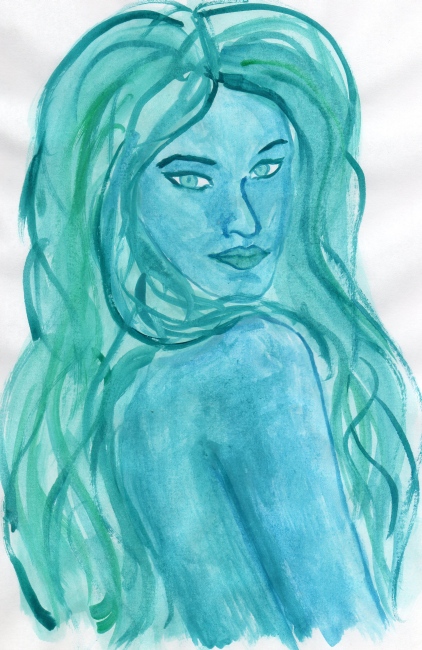 Nehalennia is a very ancient Vanic goddess. She is goddess of the ocean. She is related to hounds, trade, the sea, ships, and the harvest of the sea itself. She rules over passage from one state to another, such as the transitions from living to death (or my theory is the other way around too), and any journeys by water. She is an ancestor goddess of Njord, Freyja, and Freya. Her nature seems to be calming, gentle and providing, yet wild and untamed, in many ways like the character of the sea itself. She is seen to have very water like appearance. Some see her as very beautiful, with wide bright young eyes like a young girls, a perfect and lean figure, and wearing a hound necklace, being topless and wearing a very tiny mini skirt, and wearing a fishing net as a shawl. Her color is a blue green like the sea. I feel her runic energy for sure is laguz in a big way! Alternate spellings of her name are Nehelennia, and Nehalenni.
Some consider her a goddess of the dead, but I feel that isn’t exactly correct. She isn’t a Goddess that comes to claim the dead, but more one that helps them to safely make their journey to that realm. She basically rules safe passage from one place to another (either places being earthly places or even places as in states of being as in travel from the world of the living to world of the dead). This is more of a protecting and nurturing thing. Not harsh like for example Hel can be at times. Basically the historical offerings to her that have been found, they seem to have found were ones given in thanks for sailors making safe passage. Travel in general is associated in movement from one realm to another. This is connected with the rune laguz. This seems to be her energies. She is very connected to the goddess and female mysteries of helping beings pass from one state to another. Since women are the ones who give birth they rule over this aiding of beings coming from one realm to the other. Birth is a transition from the spiritual realm to the physical realm, in the same way birth is a transition from the physical realm to the spiritual realm. What is interesting also about birth and about the womb is it is a realm filled with water. This is very connected to the mysteries of wells or caldrons in the Norse cosmology. There are three important wells, and it is considered that wyrd (the Norse concept of fate or karma) for all beings flows through these wells. It is of course water that flows through wells so it seems wyrd and water are very connected. Since Nehalennia is a goddess that can be seen as the personification of water itself, it only makes sense that she rules over this mystery of the passage of wyrd or the passage from one state to another or even journeys or movement in general. Another rune connected with this mystery is perthro, but perthro may be considered the captured state of the flow of water in a sudden given moment. Yet Nehalennia seems to be more the open oceans, waters freely flowing without restriction, thus she is more related to laguz, not really to the parts of this process connected to perthro. Perthro is more the well structure itself, the vagina, laguz is more the water contained in it. A vagina is of course a very wet comforting place. ;) These mysteries are very Vanic in nature, since the Vanir are connected to both sexuality and to water and ships.
The drawing I have of Nehalennia is made by Amarina and used with her permission.
More about Nehalennia:
Amarina’s experience of Nehalennia.
Another very good post Amarina wrote about her impressions of Nahalennia, and the Vanir as a whole.
Info based on spiritual experiences of Nehalennia on Amarina’s blog.
Info on Hehalennia from livius.org.
She is written about in Our Troth Volume 1, pages 394-395.
She is also in Exploring the Northern Tradition, page 118.
An invocation to Nehalennia:
Hail Nehalennia! Beautiful goddess of the hounds, trade, and the sea! Lost lady of the Vanir! Ancestor of Njord, Freyja, and Freyr!

This work is licensed under a Creative Commons Attribution-NonCommercial-ShareAlike 3.0 Unported License.

 Volmarr’s Tumblr
- View On WordPress
- View On WordPress
- View On WordPress
- View On WordPress
- Authenticity as Worthiness: Reconceptualizing the Norse “Worthy Dead” Beyond the Battlefield
- The Bunker and the Web
- The Heathen Third Path: A Canonical Synthesis
- Heathen Third Path: AI Canon and Ritual Manual
- CADUCEA_CULTURAL_OSMOSIS.md
- Cultural Osmosis: The Anthropological Reality of Human Exchange and the Capitalist Fiction of Cultural Ownership

