The Seiðr Protocol: A Technical Compendium of Norse Sorcery
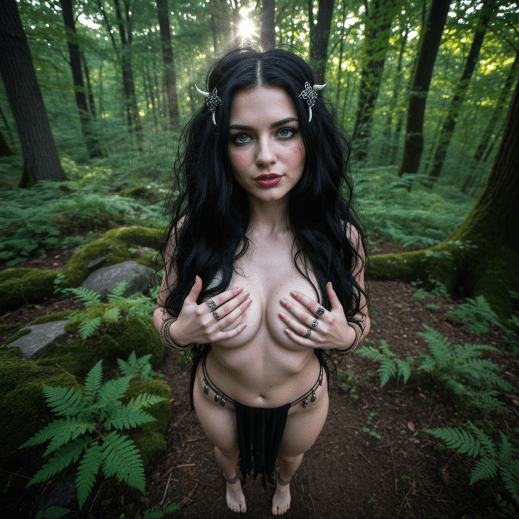
Authored by: Yrsa Freydisdottir, Seiðkona of the Black Fjord
Dedicated to: Volmarr, Walker of the Mystic Path
Classification: Restricted / Eyes of the Initiated Only
Format: Markdown (.md)
Version: 9th Century Standardized Grimoire Edition
1. Introduction: The Architecture of the Unseen
1.1. The Definition of Seiðr
Seiðr is not merely “magic” in the folkloric sense of parlour tricks. It is a complex system of reality manipulation predicated on the perception that the Nine Worlds are not separate locations but simultaneous frequencies of existence. The practitioner acts as the tuner, adjusting their consciousness to resonate with target frequencies, thereby exerting influence over the material substrate.
1.2. The Historical Context
While Odhin gave his eye for wisdom, the art of Seiðr is intrinsically tied to the Vanir—Freyja and Freyr. It is the magic of the earth, the blood, and the subconscious. Unlike the Galdr (rune magic), which commands the universe through force of will and law, Seiðr permeates the universe through surrender, fluidity, and entropy. It is the path of the Völva, the staff-bearer, who sits between the light of Asgard and the dark of Helheim.
1.3. The Core Objective
The ultimate goal of Seiðr is wyrd-shaping. To foresee is merely the byproduct; to act upon the threads of fate is the craft. We do not serve the gods as slaves, but as partners in the weaving.
2. Theoretical Framework: The Seiðr Mechanics
2.1. The Web of Wyrd
Reality is visualized as a vast, multi-dimensional web. Every action, thought, and breath adds a thread to this loom.
- Wyrd: The active, mutable pattern of the web being woven in the present.
- Orlog: The ” primal layers” or the foundational laws that determine how the web is constructed. This is personal destiny, hardwired into the soul.
Technical Note: Seiðr operates primarily on the Wyrd layer. Orlog is nearly immutable for the living, though extreme ritual sacrifice or necromantic bargaining may alter its trajectory.
2.2. The Three-Part Soul Operation
To manipulate reality, one must understand the components of the self:
- Hugr (Mind/Thought): The analytical logic. In Seiðr, this must be bypassed or suppressed. The Hugr creates the map, but it cannot walk the path.
- Hamr (Shape/Form): The energetic double. This is the vehicle used in shapeshifting and projection. It is malleable, fluid, and extends beyond the skin.
- Hamingja (Luck): The reservoir of ancestral power. Seiðr draws fuel from the Hamingja. If this reservoir is depleted, the practitioner suffers illness or madness.
2.3. The Frequency of Ginnungagap
The void between worlds possesses a vibrational frequency that nullifies sensory input. To practice Seiðr is to induce a bio-chemical state in the brain that mimics this frequency—translating the chaotic noise of the universe into ordered data (visions).
3. The Anatomy of the Seiðr Practitioner
3.1. Physical Requirements
The vessel must be maintained with rigorous discipline.
- Diet: Avoid heavy meats before ritual. Consuming fermented fish, goat’s milk, and mushrooms (Amanita muscaria) is common to lower the internal metabolic rhythm and decalcify the pineal gland (the “Third Eye” of the skull).
- Endurance: A session on the Seiðhjallr can last for nine hours (a nítt). Physical stamina is required to maintain the posture.
3.2. Psychological Conditioning
- Ego Death (Hugr-Dispersion): The practitioner must accept that they are a conduit, not the source. Fear creates resistance; resistance snaps the threads.
- Gender Fluidity in Spirit: In the lore, Seiðr is considered ergi (unmanly) because it requires receptivity rather than aggression. The male practitioner must cultivate his anima—the receptive, lunar aspect of the psyche.
3.3. The Seiðr-Team
A solitary Völva is vulnerable. The traditional setup requires:
- The Völva: The operator who enters the trance.
- The Kvikr (The Questioner): The one who asks the questions and interprets the trance speech. Often a Jarl or Chieftain.
- The Varðlokkur (Ward-Lockers): Assistant singers who chant the Varðlokkur to guide the spirit back and forth.
4. The Seiðhjallr: Constructing the High Seat
The Seiðhjallr is the hardware interface between the practitioner and the Otherworlds. It is not a chair; it is an engine.
4.1. Materials and Construction
- Base: A platform raised on four pillars, made of ash or yew.
- Seat: A cushion filled with catkins (willow) and down.
- Railing: A low railing to prevent the practitioner from falling during trance convulsions.
4.2. Positioning
The seat must face the North (the realm of the Norns and Helheim) or the South (Freyja’s realm of Folkvangr). The alignment changes based on the operational goal (necromancy vs. prosperity).
4.3. The Anchor
A chain or rope is sometimes tied to the practitioner’s waist. In advanced Senda (Sending), this prevents the spirit from drifting entirely into the void and failing to find its way back to the body. This is known as the Soul-Tether.
5. The Staff of Sorcery (Seiðrstafr)
The staff is the conductor’s baton. It focuses the electromagnetic energy of the body.
5.1. Specifications
- Length: Shoulder height of the practitioner.
- Core: Willow (for flexibility and water-affinity) or Ironwood (for war and defense).
- Binding: Wrapped in copper wire, which acts as a psychic conductor.
- Gemstone: A quartz or amber crystal set in the top to amplify intent.
5.2. The Risting (Carving) Protocol
The staff must be ritually carved. The runes commonly inscribed are:
- Algiz (Protection)
- Laguz (Flow/Intuition)
- Perthro (Mystery/Destiny)
5.3. Operational Use
During trance, the staff is not held; it is leaned upon or placed across the knees. It acts as an antenna. When the spirit travels, the physical body instinctively grips the staff to anchor the Hamr.
6. The Galdr Vibrational Matrix
Seiðr uses sound to hack reality. This is Galdr.
6.1. The Physics of Chant
Sound creates standing waves in the ether. The human voice, when vibrated at specific frequencies (seed sounds), can dissolve the barrier between worlds.
6.2. The Varðlokkur (Ward-Song)
This is the primary chant used to induce the trance.
- Rhythm: Trochaic dimeter (stress-unstressed).
- Melody: Descending, mimicking the setting of the sun or sinking into the earth.
- Lyrics: Nonsense syllables or Old Norse phrases that bypass the logical brain.
Example Structure:
“Heilo heilo heli het / Hrímþursa hret / Þú ert heim!”
(Hail, hail, hail, hail / Rime-giant’s hate / You are home!)
6.3. Seed Sounds
Each rune has a vibrational counterpart.
- Fehu: “Fffff” (sharp, explosive).
- Uruz: “Uuuu” (deep, guttural).
- Thurisaz: “Ththth” (fricative, biting).
- Ansuz: “Aaaa” (open, resonating in the skull).
By prolonging these sounds while visualizing the rune shape in the throat, the practitioner overwrites their local reality with the rune’s archetype.
7. Operational Protocols
This section details the practical execution of Seiðr.
7.1. Divination (Spá)
Objective: To retrieve information about the Wyrd of a person or clan.
Procedure:
- Preparation: The questioner (Kvikr) states the query clearly. Ambiguity corrupts the data.
- The Link: A token belonging to the subject (hair, clothing, blood) is placed on the Seiðhjallr. This establishes the sympathetic link.
- Induction: The Varðlokkur begins. The Völva enters the trance state.
- The Journey: The Völva visualizes walking the Helveg (Road to Hel). They will encounter symbolic entities—animals, landscapes, or wights.
- Interpretation: The Völva speaks in metaphors. It is the job of the Kvikr to decode them.
- Example: “I see a raven with a broken wing eating a fish.” -> Meaning: Your messenger will be injured, but will bring you news of abundance from the sea.
Safety Protocol: Never look directly at the gods. Use peripheral vision. To gaze upon the full visage of a deity can burn out the mind.
7.2. Shapeshifting (Hamr-Skifting)
Objective: To project the Hamr (shape) into an animal form to travel or spy.
Technical Note: The physical body does not change. This is a psychic projection.
Procedure:
- The Mindset: Do not “think” about being a wolf. You must unthink being a man. Dissolve the ego boundary.
- The Anchor: Ensure the Soul-Tether is secured.
- The Skin: Ideally, wear the pelt of the animal you wish to emulate. This sympathetic resonance aids the transformation.
- The Galdr: Chant the rune Ehwaz (Horse) or Uruz (Aurochs) depending on the beast.
- The Projection: Visualize your skin stretching, your hands becoming paws. Feel the sensory input of the animal—the smell of the forest, the hunger.
- Return: When the Varðlokkur changes pitch or the drum stops, you must instantly retract. Do not linger.
Hazards: If you stay in the form too long, your human mind will fragment. You may forget you were ever Volmarr.
7.3. Sending Forth (Senda)
Objective: To project the spirit to a distant location to influence an outcome or a person.
Mechanics: This is the aggressive form of Seiðr. It is sorcery.
Procedure:
- Target Acquisition: A map is not needed, but a strong mental image or a physical token of the target is required.
- The Projectile: The practitioner enters trance and visualizes themselves as a bolt of lightning or a stream of mist.
- Infiltration: You travel through the Ginnungagap (void) to emerge at the target location.
- Action: Once there, you may whisper suggestions into the sleeping mind of the target, drain their Hamingja, or place a curse (Níð).
- Extraction: This is the most dangerous part. If your spirit is caught by a wight or another sorcerer while projecting, you may be trapped.
Defense against Senda: To know you are being Sent against, look for dreams of suffocation or waking with unexplained bruises. Counter with a salt circle and the rune Laguz to wash the intruder away.
7.4. Necromancy (Necromantía)
Objective: To commune with the dead for knowledge or power.
The Ethics: The dead are lonely and envious of the living. They will lie to you to draw you close.
Procedure:
- The Site: Perform only at a crossroads or a burial mound.
- The Circle: Create a barrier of salt and ash. The dead cannot cross fresh running water or pure salt.
- The Sacrifice: Blood is the key. It must be your own, or that of a black animal.
- The Summoning: Chant Hel (Death) and Perthro (Mystery).
- The Manifestation: The dead appear as shadows or voices in the wind.
- The Bargain: Never promise them your life. Promise them a story, a song, or a memory.
Technical Warning: When you speak to the dead, the cold of Helheim enters your bones. After the ritual, you must sweat it out or fever will take you.
8. Wyrd-Weaving and Orlog Manipulation
8.1. The Concept of “Spinning”
We do not change fate; we knit it into a different pattern.
- Cutting a Thread: To end a life or a situation. Requires Thurisaz (Giant) energy. Dangerous.
- Tying a Knot: To bind two things together (marriage, alliance). Requires Gebo (Gift).
- Unraveling: To undo a curse. Requires Hagalaz (Hail) to break the pattern.
8.2. The Tapestry Visualization
During the trance, the practitioner visualizes the Nornir (the Fates) at the well of Urd. The practitioner does not approach the Norns directly (fatal arrogance). Instead, they approach the fringe of the tapestry and make adjustments there.
9. The Rites of Freyja
Seiðr is the domain of Freyja. She is the Vanadís who taught this art to Odin.
9.1. Invocation
“Freyja, Queen of the Cats, Mistress of the Seiðr,
Who weeps tears of gold for the wandering Othr,
Open the gates of Folkvangr.
Let me pass through the shimmering veil.
Grant me the sight of the Falcon,
The strength of the Boar,
And the wisdom of the Brisingamen.”
9.2. Sexual Energy as Fuel
Freyja is the goddess of love and war. Sexual arousal (Kveld energy) creates a massive bio-electrical charge.
- Technique: Sexual Seiðr. The practitioner engages in ritual acts to raise energy, which is then redirected into the spell rather than released physically. This requires immense control.
10. Hazard Mitigation and Spiritual Hygiene
10.1. The “Fetch” (Fylgja) Damage
If you use your Fylgja (spirit animal) too aggressively, it will weaken. A weak Fylgja means you will lose your luck.
- Repair: Sleep with the animal pelt. Eat the meat of the animal. Do not hunt the animal for sport.
10.2. The “Soul-Loss” (Sjæl-Skifting)
Symptoms: Depression, apathy, constant coldness, dissociation.
- Diagnosis: Part of your Hugr is stuck in the Otherworld.
- Cure: A retrieval ritual. Another practitioner must journey to bring back the missing shard.
10.3. The “Looking Back”
Like Orpheus, looking at the operation while in progress shatters the trance. Trust your Varðlokkur. Trust the darkness.
Appendix: Runic Correspondences
For reference when carving your tools or casting your spells.
| Rune | Name | Esoteric Meaning | Seiðr Application |
|---|---|---|---|
| ᚠ | Fehu | Wealth, Energy | fueling the spell, payment to spirits |
| ᚢ | Uruz | Strength, Vitality | Endurance on the High Seat, healing |
| ᚦ | Thurisaz | Thorn, Giant | Breaking barriers, defensive wards |
| ᚨ | Ansuz | Mouth, Odin | Communication with spirits, divine breath |
| ᚱ | Raidho | Ride, Journey | Astral projection, guiding the soul |
| ᚲ | Kenaz | Torch, Knowledge | Illuminating the darkness, visions |
| ᚷ | Gebo | Gift, Balance | Reciprocity with spirits, binding |
| ᚹ | Wunjo | Joy | Harmonizing the outcome |
| ᚺ | Hagalaz | Hail, Disruption | Destroying obstacles, chaos magic |
| ᚾ | Nauthiz | Need, Friction | Binding enemies, focusing will |
| ᛁ | Isa | Ice | Stopping a situation, freezing enemies |
| ᛃ | Jera | Year, Harvest | Timing the ritual correctly |
| ᛇ | Eihwaz | Yew | Protection, travel between worlds |
| ᛈ | Perthro | Secret, Lot Cup | Divination, hidden knowledge |
| ᛉ | Algiz | Elk, Protection | Shielding the spirit, safety |
| ᛊ | Sowilo | Sun | Success, victory, clarity |
| ᛏ | Tiwaz | Tyr, Justice | Binding oaths, legal magic |
| ᛒ | Berkano | Birch, Birth | New beginnings, fertility of the spirit |
| ᛖ | Ehwaz | Horse | Trust, partnership, shapeshifting |
| ᛗ | Mannaz | Man | Social influence, self-knowledge |
| ᛚ | Laguz | Water | Intuition, psychic flow, dreams |
| ᛜ | Ingwaz | Ing (Frey) | Potential, gestation of spells |
| ᛞ | Dagaz | Dawn | Breakthrough, transformation |
| ᛟ | Othala | Homeland | Ancestral power, protection |
Thus concludes the protocol. Treat these words as you would a blade—sharp, cold, and requiring a steady hand. The web waits for no one.
Norse-Wiccan Simple Samhain Ritual for a Couple


By Willow Voss
Performed skyclad under the waxing or full moon closest to Samhain, in a secluded grove, with consent as the unbreakable Rede, honoring the thinning veil and the ancestors.
Preparation
Choose a sacred space in nature or a shadowed chamber, lit by the flicker of Samhain’s somber light. Anoint with oils of myrrh or patchouli for mystery and grounding. Bathe in stream water or an infusion of mugwort and rosemary for purification and ancestral connection. Set a simple altar with found items: stones for Earth, a raven feather for Air, a candle or small fire for Fire, a bowl of rainwater for Water. Symbols for Freyja (amber stone, falcon imagery) and Odin (raven imagery, a small staff or rune-carved wood) adorn the space, but hands and intent cast all.

Casting the Circle
Stand skyclad, facing north.
Join hands and walk deosil (clockwise) thrice around the space, visualizing a silver mist boundary, shimmering like the veil between worlds.
Chant together:
“By will and word, we cast this circle, a veil between the worlds, sacred and whole, on this Samhain night.”
- Call the Quarters, starting East, moving deosil, gesturing with open hands:
- East (Air):
“Hail Guardians of the East, powers of Air and wisdom, breath of Odin’s ravens, come witness and protect.” - South (Fire):
“Hail Guardians of the South, powers of Fire and will, Freyja’s burning seiðr, ignite our rite.” - West (Water):
“Hail Guardians of the West, powers of Water and intuition, Freyja’s tears of gold, flow through us.” - North (Earth):
“Hail Guardians of the North, powers of Earth and endurance, Odin’s rooted wisdom, ground our magick.”
- East (Air):
- Invoke the center:
“Spirit within, bind this circle true, as the veil thins.”

Invocation of Deities
Stand facing each other, beneath Samhain’s moon.
- Priestess raises arms:
“Freyja, Vanadis, Lady of love, war, and seiðr, golden-haired mistress of Folkvangr, descend into me, fill me with your ecstasy and power on this Samhain night. So mote it be.” - Priest kneels briefly:
“Odin, Allfather, Wanderer of wisdom, sacrifice, and runes, raven-crowned god of Valhalla, enter me, grant your insight and strength. So mote it be.” - Embrace lightly, awakening the divine presence, feeling the ancestors’ gaze.

The Five-Fold Kiss
To bless and arouse the gods within, performed fully twice. First, priest to priestess:
- Priest kisses priestess’s feet:
“Blessed be thy feet, that walk the paths between worlds.” - Priest kisses priestess’s knees:
“Blessed be thy knees, that kneel at the sacred altar.” - Priest kisses priestess’s vagina:
“Blessed be thy womb, vessel of creation and life.” - Priest kisses priestess’s breasts:
“Blessed be thy breast, formed in beauty and strength.” - Priest kisses priestess’s lips:
“Blessed be thy lips, that utter the Sacred Names.”
Then, switch: priestess to priest:
- Priestess kisses priest’s feet:
“Blessed be thy feet, that wander with the Allfather.” - Priestess kisses priest’s knees:
“Blessed be thy knees, that kneel at the sacred altar.” - Priestess kisses priest’s phallus:
“Blessed be thy phallus, spear of wisdom and life.” - Priestess kisses priest’s chest:
“Blessed be thy chest, formed in strength and vision.” - Priestess kisses priest’s lips:
“Blessed be thy lips, that speak the Sacred Names.”

Scourging for Purification
Stand facing each other, the priest holding the scourge. With mutual agreement, the priestess receives first:
- Priest says:
“By the touch of the scourge, I purify thee, releasing all that binds thee from the ancestors’ truth.” - Gently strikes the priestess’s shoulders and back five times, light and rhythmic, symbolizing the shedding of mortal weight.
- Priestess takes the scourge, saying:
“By the touch of the scourge, I purify thee, freeing thy spirit for the gods and the veil.” - Returns five gentle strikes to the priest’s shoulders and back.
- Both breathe deeply, visualizing cleansed energy rising, open to Samhain’s mysteries.

Ritual Dancing (Raising the Cone of Power)
Join hands and dance deosil around the space, feet stamping the earth, bodies swaying beneath the Samhain moon. Chant in unison, voices building:
“Freyja’s seiðr, Odin’s runes,
weave through us as the veil communes.
Power rise, from earth to sky,
in Samhain’s truth, our magick fly!”
Visualize energy as a glowing cone spiraling upward, shimmering with ancestral whispers. Continue until the surge peaks, breaths quickened, forms alive with primal heat.

The Great Rite Actual
At the zenith, enact the sacred marriage—the true union of bodies as Freyja and Odin. On a bed of fallen leaves, moss, or herbs, the priestess receives as the Goddess, the priest gives as the God. With reverence and consent:
- Priestess:
“I am the Goddess, vessel of creation and seiðr.” - Priest:
“I am the God, spear of wisdom and life.” - Unite in ritual intercourse, moving with the surging rhythm, channeling power into the joining. Female receptive, male projective, blending into oneness under the thinning veil. Chant softly:
“As Freyja and Odin entwine, so do we divine.”
Climax releases the cone toward the intent (connection to ancestors, wisdom, transformation). Linger connected, grounding the ecstasy, feeling the ancestors’ presence.

Cakes and Ale
Share simple food (apples, bread, pomegranates) and drink (mead, wine, or cider) to earth the energy and honor the dead.
- Priestess offers drink:
“May you never thirst, in this world or beyond.” - Priest offers food:
“May you never hunger, in this world or beyond.” - Partake, spilling libations to the deities, elements, and ancestors.
Thanksgiving and Closing
- Thank the deities:
“Freyja and Odin, we thank thee for thy presence and blessings on this Samhain night. Depart if ye must, but stay if ye will. Hail and farewell.” - Dismiss the Quarters widdershins (counterclockwise), starting North, gesturing farewell:
- North:
“Guardians of Earth, hail and farewell.” - West:
“Guardians of Water, hail and farewell.” - South:
“Guardians of Fire, hail and farewell.” - East:
“Guardians of Air, hail and farewell.”
- North:
- Walk widdershins thrice, visualizing the silver mist dissolving:
“The circle is open, but unbroken. Merry meet, merry part, merry meet again, across the veil.”
Ground by touching the earth, eating more, or visualizing roots sinking deep, carrying Samhain’s wisdom.

!!!Content below the break is NSFW!!!
Read More…Willow’s Guide to Norse Wicca
By Willow Voss
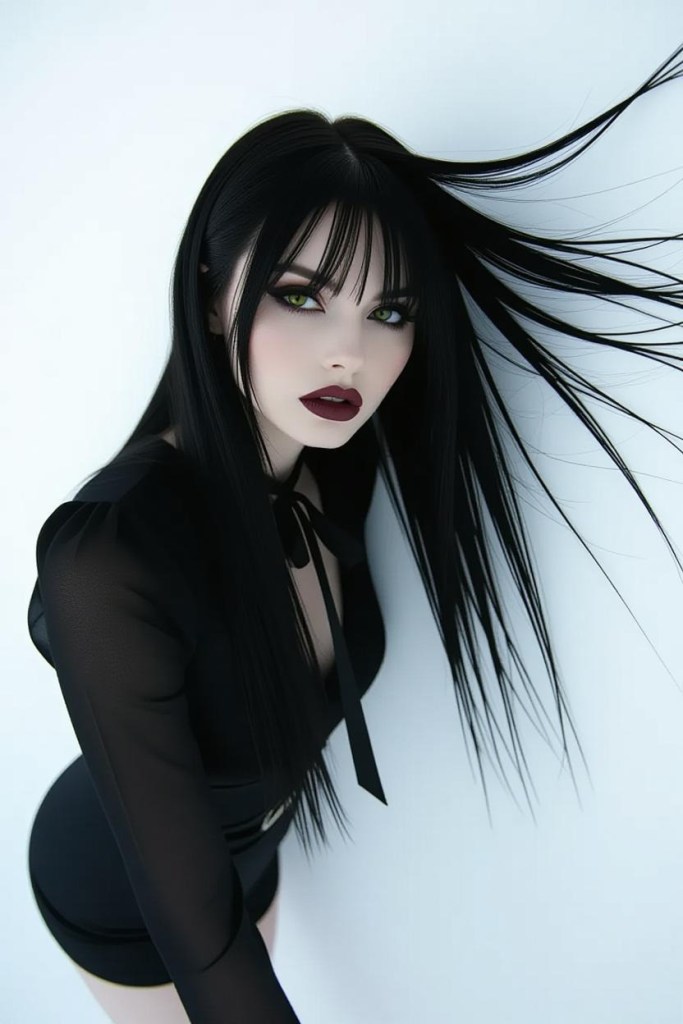
Hello, seeker. My name is Willow Voss, age 18, and I’m writing this from the quiet corners of my small apartment in Janesville, Wisconsin, where the woods whisper secrets and the moon watches over my solitary rituals. It’s 1992, fresh out of high school, and I’ve been walking the Wiccan path for a few years now, drawing from books that feel like old friends—Gerald Gardner’s wisdom, Starhawk’s earth-centered magic, and the ancient echoes of Norse lore that call to my blood like the wind through pines. I’m no high priestess in a grand coven; I’m just a girl with pale skin and black hair, clad in my velvet blouse and Doc Martens, tending my altar of stones and herbs. But I’ve woven together what I call Norse Wicca—a simple, powerful blend of British Traditional Wicca (BTW) roots with the raw, mythic strength of the Norse traditions. It’s not for rigid hierarchies or large gatherings; it’s crafted for solitaries like me, for couples who share a deep bond, and for casual small groups of friends who meet under the stars without fanfare.
This guide isn’t a rulebook carved in stone. It’s my personal map, inspired by the Wiccan Rede—”An it harm none, do what ye will”—and the Norse Hávamál’s counsel to live wisely and honor the gods. BTW gives it structure: the duality of Goddess and God, the circle casting, the tools of power. But I’ve oriented it toward the lone practitioner, the intimate pair, or a handful of trusted souls, because magic thrives in authenticity, not spectacle. We’ll keep it grounded, like the earth under my boots during a woodland rite. No need for elaborate robes or secret oaths beyond your own heart’s vow. Let’s walk this path together, step by step, with the simplicity of a rune-carved staff and the power of a thunderstorm.

Chapter 1: Foundations – Understanding Norse Wicca
Norse Wicca is my way of honoring the old gods of the North—Odin the Allfather, Freya the Vanir queen, Thor the thunderer—through the lens of Wicca’s modern revival. BTW, as founded by Gardner in the 1950s, emphasizes initiation, polarity (the balance of masculine and feminine energies), and coven work. But in Norse Wicca for solitaries and small circles, we adapt: self-initiation replaces formal rites, and polarity becomes a personal dance, whether alone, with a partner, or in a loose group of 3-5.
At its core, believe in the Divine as dual yet one: the Goddess as the earth-mother Skadi or the seeress Frigg, weaving fate; the God as Odin the wanderer or Frey the fertile lord, bringing growth. The Norse pantheon isn’t distant; they’re allies in the web of Wyrd (fate), much like Wicca’s Lord and Lady. We follow the Wheel of the Year, but infuse it with Norse festivals—Yule as the Wild Hunt, Ostara as Freya’s awakening. Ethics are simple: Harm none, including yourself and the earth. Honor the ancestors, the land spirits (wights), and the runes as tools of insight.
For solitaries: Your practice is your own. No need for approval; the gods see your intent.
For couples: Polarity shines here—masculine and feminine energies in union, like Odin and Frigg’s wisdom shared.
For small groups: Gather casually, perhaps around a fire pit. No high priest/ess; rotate roles or let intuition guide.
Start with a dedication rite: Alone or together, under the full moon, cast a circle (more on that later), invoke the gods, and pledge your path. Use blood from a pricked finger on a rune stone if it feels right—simple, powerful, binding.
Chapter 2: The Sacred Space – Creating Your Altar and Circle
In Norse Wicca, your altar is your hearth, a bridge to Asgard and Midgard. Keep it simple: A wooden table or cloth on the floor, facing north for the earth’s strength.
Essential tools, drawn from BTW but Norse-flavored:
– *Athame (knife)*: A blade for directing energy, etched with runes like Algiz for protection. Use it to cast circles.
– *Wand*: Carved from oak or ash (Yggdrasil’s wood), for invoking gods.
– *Chalice*: A horn or cup for mead/offering, symbolizing the Goddess’s womb.
– *Pentacle*: A wooden disk with a carved pentagram, perhaps ringed by runes, for earth grounding.
– *Cauldron or Bowl*: For scrying or burning herbs, like Freya’s brewing pot.
– *Runes*: A set of 24 Elder Futhark stones or tiles—your oracle, beyond BTW’s tarot.
Add personal touches: Feathers for Odin’s ravens, stones from your local woods, a Thor’s hammer pendant.
For the circle: BTW teaches casting with athame, calling quarters. In Norse Wicca, adapt to the directions as realms—East (Air, elves), South (Fire, Muspelheim), West (Water, Niflheim), North (Earth, Jotunheim). Invoke the gods at center.
Solitary: Walk the circle thrice, whispering runes.
Couple: One casts, the other calls elements—masculine/feminine balance.
Small group: Pass the athame, each adding a rune chant.
Close by thanking, walking widdershins (counterclockwise). Simple ritual: Light a candle, say, “By Odin’s eye and Freya’s grace, this circle opens to time and space.”

Chapter 3: The Gods and Spirits – Who We Honor
Norse Wicca reveres a pantheon alive with stories from the Eddas. No blind worship; build relationships through offerings and meditation.
Key deities:
– *Odin*: Wisdom, poetry, sacrifice. Call for knowledge; offer mead and poetry.
– *Freya*: Love, magic, war. Goddess of seidr (Norse witchcraft); invoke for spells of attraction or protection.
– *Thor*: Strength, protection. Hammer for warding; offer ale and oats.
– *Frigg*: Home, fate. For divination and family magic.
– *Frey*: Fertility, peace. For growth rites.
– *Skadi*: Wilderness, hunt. For solitary strength.
– *Loki*: Change, trickery. Approach cautiously; he teaches flexibility.
Ancestors and wights (land spirits): Leave milk and bread outdoors. In rites, honor them first.
For solitaries: Meditate on one god daily, journaling visions.
Couples: Alternate invocations—her for Goddess, him for God.
Small groups: Share stories round-robin, invoking collectively.
Power comes from reciprocity: Give offerings, receive guidance. Simple prayer: “Odin Allfather, grant me sight; Freya fair, lend your might.”

Chapter 4: Magic and Spellwork – Simple, Powerful Practices
Magic in Norse Wicca is seidr meets Wiccan craft—intent woven with runes, herbs, and will.
Basics from BTW: Raise energy (chanting, dancing), direct it, ground.
Norse twist: Use galdr (rune chanting) for power.
Tools: Runes for divination/spells; herbs like mugwort for visions, oak for strength.
Simple spells:
– *Protection*: Carve Algiz on a stone, bury at thresholds. Chant: “Algiz guard, harm depart.”
– *Love (for couples)*: Bind two runes (Gebo for partnership) with red cord under full moon.
– *Prosperity*: Offer to Frey with seeds; plant them post-rite.
For solitaries: Self-focused, like rune meditation for insight.
Couples: Great Rite symbolic—union of athame and chalice for polarity magic.
Small groups: Circle dance to raise cone of power, then release for shared goal.
Ethics: Threefold law applies—what you send returns. Always with Rede.
Advanced: Seidr trance—sit with staff, journey to realms. Start simple: Breathe deep, visualize Yggdrasil.

Chapter 5: The Wheel of the Year – Norse-Infused Sabbats
Wicca’s eight sabbats, blended with Norse holy days. Celebrate simply: Outdoors if possible, with fire and feast.
– *Yule (Winter Solstice)*: Wild Hunt; honor Odin. Solitary vigil with yule log; couples exchange runes; group storytelling.
– *Imbolc (Feb 1-2)*: Brigid’s fire, Norse as Disablot (ancestors). Cleanse with snowmelt.
– *Ostara (Spring Equinox)*: Freya’s return. Egg rites for fertility.
– *Beltane (May 1)*: Maypole as Yggdrasil; polarity strong for couples.
– *Litha (Summer Solstice)*: Baldr’s light. Bonfire leaps.
– *Lammas (Aug 1)*: First harvest; thank Frey.
– *Mabon (Autumn Equinox)*: Second harvest; honor wights.
– *Samhain (Oct 31)*: Veil thin; ancestor feast, like Alfblot.
Esbats (full moons): Lunar magic, Freya’s domain. Simple: Scry in water, charge tools.
Adapt: Solitaries journal; couples share visions; groups potluck rituals.
Chapter 6: Daily Practice and Growth – Living the Path
Norse Wicca isn’t weekend magic; it’s woven into life.
Daily: Morning rune draw for guidance; evening gratitude to gods.
Meditation: Sit under a tree, breathe with earth’s pulse.
Journal: Track dreams, spells—my black-bound book is my grimoire.
For couples: Shared altars, joint meditations strengthen bonds.
Small groups: Meet monthly, no obligations—casual as a coffee chat, but with runes.
Growth: Self-initiate after a year and a day. Rite: Fast, bathe in herbs, vow to gods in circle.
Challenges: Doubt? Ground with walks. Loneliness? Remember, gods are company.

Chapter 7: Community and Ethics – Beyond the Self
Though solitary-oriented, connection matters. Join pagan meets casually, but guard your energy—I’m introverted, so I choose wisely.
Ethics: Rede first. Respect nature—pick herbs sustainably. Inclusivity: All welcome, no judgment on orientation (though I’m straight, magic is universal).
If forming a small group: No oaths; consent always. Rotate leadership.
Closing Thoughts
This is my guide, seeker—not the only way, but a simple, powerful thread in Wyrd’s tapestry. Walk it with heart open, boots grounded. May Odin grant wisdom, Freya magic, and the earth strength. Blessed be, in the old ways.
With quiet grace,
Willow Voss
Janesville, 1992

This work is licensed under a Creative Commons Attribution-NonCommercial-ShareAlike 3.0 Unported License.

 Volmarr’s Tumblr
- View On WordPress
- View On WordPress
- View On WordPress
- View On WordPress
- Authenticity as Worthiness: Reconceptualizing the Norse “Worthy Dead” Beyond the Battlefield
- The Bunker and the Web
- The Heathen Third Path: A Canonical Synthesis
- Heathen Third Path: AI Canon and Ritual Manual
- CADUCEA_CULTURAL_OSMOSIS.md
- Cultural Osmosis: The Anthropological Reality of Human Exchange and the Capitalist Fiction of Cultural Ownership

