Modern English Speakers as Living Heirs of the Viking Spirit
The Hidden Continuity of Germanic Pagan Culture

Though most modern English speakers do not realize it, the very language they speak and the rhythms of their daily life are steeped in the ancient traditions of their Germanic ancestors. English is a Germanic language, descended from the tongues of the Angles, Saxons, Jutes, and other peoples of northern Europe who shared deep cultural, religious, and spiritual kinship with the Norse. When we look closely, we discover that much of our modern worldview, values, and practices echo the Pagan foundations of these forebears.
Every time an English speaker uses words, observes time, or celebrates seasonal customs, they are engaging in practices rooted in the ancient Pagan world of the Germanic peoples. In this sense, English speakers — and indeed speakers of other Germanic languages like German, Dutch, Swedish, Danish, Norwegian, and Icelandic — are spiritual Vikings at the root level of their culture.
Language as Living Pagan Memory
The English language itself is a direct carrier of Pagan heritage. Many everyday words have sacred Germanic and Norse origins:
- Days of the Week: Tuesday (Tiw/Tyr’s Day), Wednesday (Woden/Odin’s Day), Thursday (Thor’s Day), and Friday (Frigg/Freyja’s Day) are divine echoes in every calendar. Each time an English speaker marks these days, they are unconsciously honoring the gods.
- Core Vocabulary: Words like house, kin, wife, husband, doom, wyrd (fate), and hearth come from the deep well of Germanic culture, carrying with them ancient values of family, destiny, and sacred space.
- Poetic Structure: The alliterative rhythms of Old English poetry — found in Beowulf and Norse sagas alike — still shape the way English speakers find beauty in rhyme, rhythm, and song.
Language is not just communication but a vessel of worldview, and English continually whispers the voices of Odin, Thor, and the ancestors.
Timekeeping and the Pagan Calendar
English speakers still live in cycles marked by Pagan roots. Seasonal festivals like Yule (now Christmas), Eostre’s festival (now Easter), and Harvest celebrations are Christianized overlays on far older Germanic traditions. The very shape of the year — with its turning of solstices and equinoxes — is Pagan at its foundation.
Even the use of the twelve-month cycle with names like “March” (from Mars, but integrated into Germanic reckoning) reflects how ancient people harmonized cosmic order, agriculture, and ritual. In living by these rhythms, modern people continue a Pagan relationship with nature’s cycles.
Customs, Folkways, and Values
Many cultural practices in English-speaking lands have direct roots in Germanic Paganism:
- Yuletide traditions like decorating trees, exchanging gifts, feasting, and lighting fires are straight from Norse and Germanic winter rites.
- May Day dances and fertility customs echo older Vanir-inspired celebrations of spring and renewal.
- Halloween (Samhain/Winternights blends) retains the Germanic veneration of the dead and the thinness of the veil between worlds.
Core values — hospitality, loyalty, courage, and honor — emphasized in the Hávamál and Old English laws, still form the moral foundation of English-speaking societies. The cultural love of storytelling, of heroic individualism, of journeys and discovery — these are Viking traits carried forward.
The Spirit of Exploration and Innovation
The Germanic and Norse peoples were wanderers, explorers, and seafarers. The Viking drive to cross oceans, to settle in new lands, and to trade widely resonates in the modern English-speaking world’s emphasis on adventure, exploration, and curiosity.
- The British, American, and wider Anglophone traditions of sailing, pioneering, and technological innovation are cultural continuations of this restless, questing Viking spirit.
- Even the modern internet, with its web of global connections, mirrors the trade and story-sharing networks of the ancient Norse.
Spiritual Vikings in the Modern Age
Though the gods’ names are now hidden beneath centuries of Christian veneer, and though most people no longer consciously sacrifice at the holy grove or pour mead at the blót, the underlying spiritual DNA remains. English speakers live in a culture whose roots are Germanic Paganism, and thus every person who speaks this language carries a spark of the old ways.
At a deep cultural level, English speakers today are still modern Vikings — unconsciously practicing the traditions of their ancestors. From the words on their tongue to the holidays they celebrate, from their values of freedom and courage to their love of exploration and storytelling, they embody the continuity of a spiritual lineage that began long before Christianity.
To recognize this truth is to awaken to one’s wyrd: that beneath the surface of modern life, the old Pagan soul still beats strong, waiting to be honored.
Unyielding Honor: The Viking Demand for Truth and Reliability
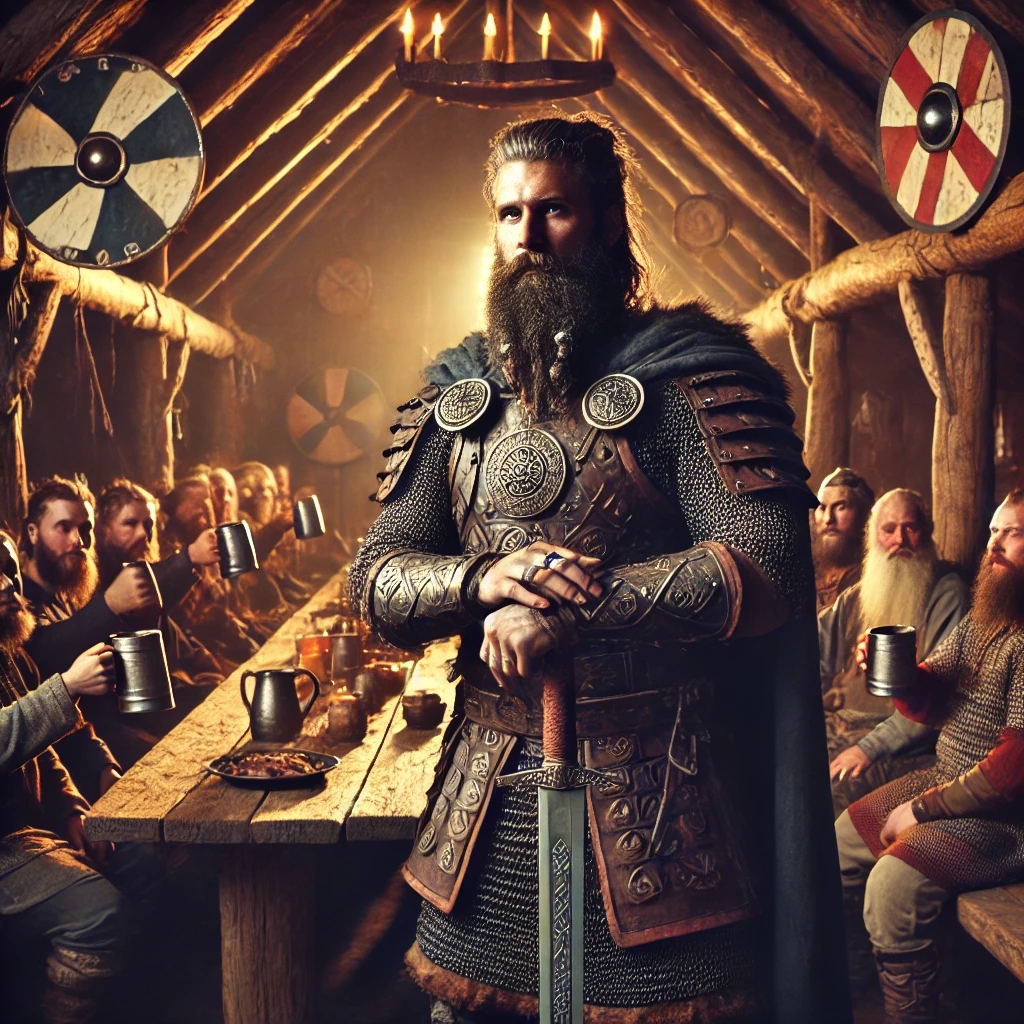
From a traditional Norse or “Viking” standpoint, reliability and honesty were indeed of paramount importance. While popular culture often focuses on the Vikings as raiders and explorers, Norse society—like most tight-knit communities—relied on mutual trust and clear expectations to function smoothly. Below are some cultural and historical insights that underline why saying one thing and doing another would be seen in an extremely negative light in a Viking context:
1. Honor and Reputation (Drengskapr)
- Key Norse Concept: Among the Vikings, a person’s honor (drengskapr) was intimately tied to their reputation in the community. If you broke your word, it wasn’t just a private matter; it could tarnish your name, impact alliances, and diminish your standing.
- Long-Term Consequences: In small Norse communities, once your reputation was damaged, it was difficult to recover. Oath-breakers or those who spoke untruths could become social outcasts, losing the protection and support of the community.
2. The Weight of Oaths
- Binding Agreements: Oaths (especially formal ones) were taken very seriously in Viking society—sometimes witnessed by a god like Odin or by representatives of a community.
- Legal and Social Ties: Disputes, deals, and even friendships (fostering or blood-brotherhood) were cemented by solemn pledges. Reneging on these vows was seen as not only dishonorable but also dangerous—potentially sparking feuds.
3. Saga Literature Examples
- Condemnation of Betrayal: In the sagas, characters who violate their word or betray someone’s trust often become tragic figures, sometimes facing harsh retribution or living in shame.
- Enduring Legacy: These stories served as cultural touchstones. They taught that deceit could lead to broken alliances, vengeance, and even the downfall of entire families or communities.
4. Reciprocal Responsibility
- Social Glue: Reliability and honesty weren’t just individual virtues; they were necessary for the entire Norse social fabric. A chieftain or jarl who deceived his people lost loyalty, just as a free farmer (bondi) who betrayed a neighbor could lose essential support.
- Collective Security: In a harsh environment, you depended on your neighbors and allies for survival—especially during winter, or when out at sea. Flaking out or double-crossing someone jeopardized everyone’s well-being.
5. Modern “Viking” Values
- Neo-Pagan & Modern Interpretations: Many individuals today who follow a Norse-inspired path embrace those traditional tenets of honesty, loyalty, and respect because they resonate with the spirit of the sagas.
- Personal Integrity: Acting consistently and honoring commitments is viewed not just as a personal virtue but as a way to honor the gods and ancestors—living up to the standard set by the old stories.
Final Thoughts
In Viking culture, giving your word was akin to making a sacred bond, and walking it back—especially without good reason—would be a severe blow to one’s honor. The resulting loss of trust could have real social and even existential consequences in a tightly knit community.
While modern life is far removed from the Norse era, many who embrace or admire Viking values see honesty and reliability as pillars of that tradition. Thus, from this perspective, consistency in word and deed isn’t just a polite social norm; it’s a core component of personal honor and communal respect.

This work is licensed under a Creative Commons Attribution-NonCommercial-ShareAlike 3.0 Unported License.

 Volmarr’s Tumblr
- Viking AI Girlfriend skill for OpenClaw
- The Warding of Huginn’s Well: A Runic Framework for Local AI Sovereignty
- Mímir-Vörðr v2: The Cyber-Seiðr Architecture for Truth-Governance and Runic Verification
- # Mímir-Vörðr System Architecture
- Mímir-Vörðr: The Warden of the Well
- Silicon Seiðr: The Gridweaver’s Guide to Vibe Coding: Chapter 1: The Seiðr of Syntax: Weaving Magic with Python
- Review: NORSE: Oath of Blood – The Most Authentic Viking Saga of 2026
- View On WordPress
- View On WordPress
- Wyrd in the Wires: AI, Divergent Minds, and the Fall of the Hierarchies
 Volmarr's Blog of Modernist Heathenism, Norse-Paganism, and Norse-Wicca