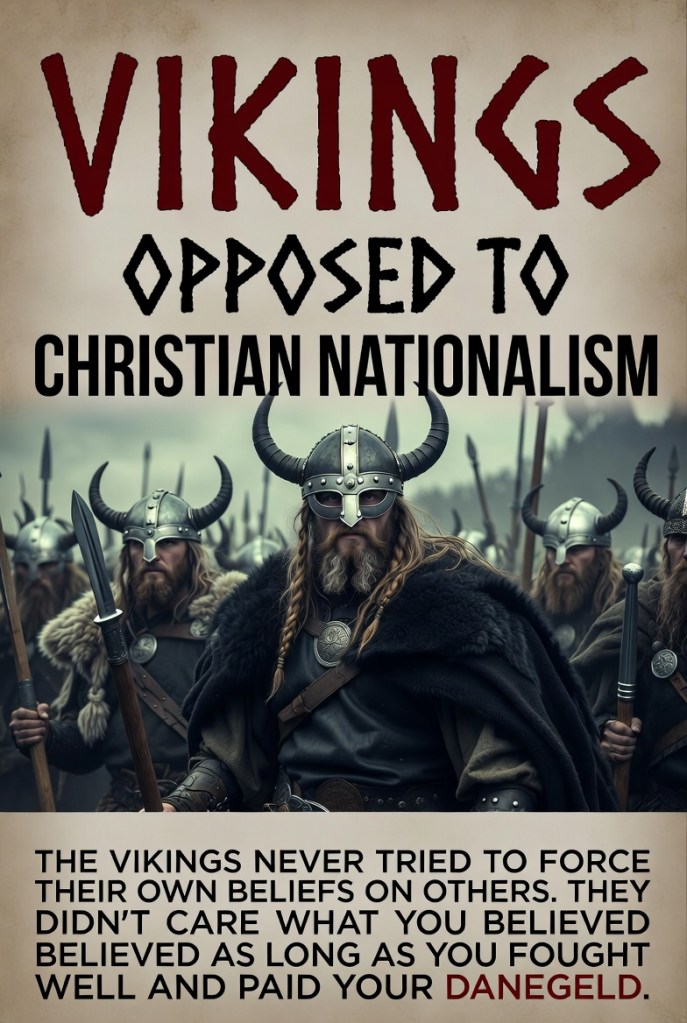




Norse-Wiccan Simple Samhain Ritual for a Couple


By Willow Voss
Performed skyclad under the waxing or full moon closest to Samhain, in a secluded grove, with consent as the unbreakable Rede, honoring the thinning veil and the ancestors.
Preparation
Choose a sacred space in nature or a shadowed chamber, lit by the flicker of Samhain’s somber light. Anoint with oils of myrrh or patchouli for mystery and grounding. Bathe in stream water or an infusion of mugwort and rosemary for purification and ancestral connection. Set a simple altar with found items: stones for Earth, a raven feather for Air, a candle or small fire for Fire, a bowl of rainwater for Water. Symbols for Freyja (amber stone, falcon imagery) and Odin (raven imagery, a small staff or rune-carved wood) adorn the space, but hands and intent cast all.

Casting the Circle
Stand skyclad, facing north.
Join hands and walk deosil (clockwise) thrice around the space, visualizing a silver mist boundary, shimmering like the veil between worlds.
Chant together:
“By will and word, we cast this circle, a veil between the worlds, sacred and whole, on this Samhain night.”
- Call the Quarters, starting East, moving deosil, gesturing with open hands:
- East (Air):
“Hail Guardians of the East, powers of Air and wisdom, breath of Odin’s ravens, come witness and protect.” - South (Fire):
“Hail Guardians of the South, powers of Fire and will, Freyja’s burning seiðr, ignite our rite.” - West (Water):
“Hail Guardians of the West, powers of Water and intuition, Freyja’s tears of gold, flow through us.” - North (Earth):
“Hail Guardians of the North, powers of Earth and endurance, Odin’s rooted wisdom, ground our magick.”
- East (Air):
- Invoke the center:
“Spirit within, bind this circle true, as the veil thins.”

Invocation of Deities
Stand facing each other, beneath Samhain’s moon.
- Priestess raises arms:
“Freyja, Vanadis, Lady of love, war, and seiðr, golden-haired mistress of Folkvangr, descend into me, fill me with your ecstasy and power on this Samhain night. So mote it be.” - Priest kneels briefly:
“Odin, Allfather, Wanderer of wisdom, sacrifice, and runes, raven-crowned god of Valhalla, enter me, grant your insight and strength. So mote it be.” - Embrace lightly, awakening the divine presence, feeling the ancestors’ gaze.

The Five-Fold Kiss
To bless and arouse the gods within, performed fully twice. First, priest to priestess:
- Priest kisses priestess’s feet:
“Blessed be thy feet, that walk the paths between worlds.” - Priest kisses priestess’s knees:
“Blessed be thy knees, that kneel at the sacred altar.” - Priest kisses priestess’s vagina:
“Blessed be thy womb, vessel of creation and life.” - Priest kisses priestess’s breasts:
“Blessed be thy breast, formed in beauty and strength.” - Priest kisses priestess’s lips:
“Blessed be thy lips, that utter the Sacred Names.”
Then, switch: priestess to priest:
- Priestess kisses priest’s feet:
“Blessed be thy feet, that wander with the Allfather.” - Priestess kisses priest’s knees:
“Blessed be thy knees, that kneel at the sacred altar.” - Priestess kisses priest’s phallus:
“Blessed be thy phallus, spear of wisdom and life.” - Priestess kisses priest’s chest:
“Blessed be thy chest, formed in strength and vision.” - Priestess kisses priest’s lips:
“Blessed be thy lips, that speak the Sacred Names.”

Scourging for Purification
Stand facing each other, the priest holding the scourge. With mutual agreement, the priestess receives first:
- Priest says:
“By the touch of the scourge, I purify thee, releasing all that binds thee from the ancestors’ truth.” - Gently strikes the priestess’s shoulders and back five times, light and rhythmic, symbolizing the shedding of mortal weight.
- Priestess takes the scourge, saying:
“By the touch of the scourge, I purify thee, freeing thy spirit for the gods and the veil.” - Returns five gentle strikes to the priest’s shoulders and back.
- Both breathe deeply, visualizing cleansed energy rising, open to Samhain’s mysteries.

Ritual Dancing (Raising the Cone of Power)
Join hands and dance deosil around the space, feet stamping the earth, bodies swaying beneath the Samhain moon. Chant in unison, voices building:
“Freyja’s seiðr, Odin’s runes,
weave through us as the veil communes.
Power rise, from earth to sky,
in Samhain’s truth, our magick fly!”
Visualize energy as a glowing cone spiraling upward, shimmering with ancestral whispers. Continue until the surge peaks, breaths quickened, forms alive with primal heat.

The Great Rite Actual
At the zenith, enact the sacred marriage—the true union of bodies as Freyja and Odin. On a bed of fallen leaves, moss, or herbs, the priestess receives as the Goddess, the priest gives as the God. With reverence and consent:
- Priestess:
“I am the Goddess, vessel of creation and seiðr.” - Priest:
“I am the God, spear of wisdom and life.” - Unite in ritual intercourse, moving with the surging rhythm, channeling power into the joining. Female receptive, male projective, blending into oneness under the thinning veil. Chant softly:
“As Freyja and Odin entwine, so do we divine.”
Climax releases the cone toward the intent (connection to ancestors, wisdom, transformation). Linger connected, grounding the ecstasy, feeling the ancestors’ presence.

Cakes and Ale
Share simple food (apples, bread, pomegranates) and drink (mead, wine, or cider) to earth the energy and honor the dead.
- Priestess offers drink:
“May you never thirst, in this world or beyond.” - Priest offers food:
“May you never hunger, in this world or beyond.” - Partake, spilling libations to the deities, elements, and ancestors.
Thanksgiving and Closing
- Thank the deities:
“Freyja and Odin, we thank thee for thy presence and blessings on this Samhain night. Depart if ye must, but stay if ye will. Hail and farewell.” - Dismiss the Quarters widdershins (counterclockwise), starting North, gesturing farewell:
- North:
“Guardians of Earth, hail and farewell.” - West:
“Guardians of Water, hail and farewell.” - South:
“Guardians of Fire, hail and farewell.” - East:
“Guardians of Air, hail and farewell.”
- North:
- Walk widdershins thrice, visualizing the silver mist dissolving:
“The circle is open, but unbroken. Merry meet, merry part, merry meet again, across the veil.”
Ground by touching the earth, eating more, or visualizing roots sinking deep, carrying Samhain’s wisdom.

!!!Content below the break is NSFW!!!
Read More…Wizard’s Creed of Vikingness

Not cloth, not crown,
but courage makes kin.
Not helm, not hide,
but hearth-light within.
Fire for the frozen,
food for the guest.
Oath given truly,
honor held best.
Steel will shatter,
tunics decay.
Yet feasts flame eternal,
and laughter will stay.
Hospitality shields us,
story is sword.
Truth is our treasure,
courage our hoard.
Thus speak I, wizard,
ward of the hall:
The folk are the fire,
the culture, the all.
Daily Norse Pagan Ritual: A Heathen Third Path Practice
By Astrid Freyjasdottir of the Heathen Third Path
This ritual is designed to be simple, flexible, and deeply personal, rooting you in the Heathen Third Path’s values of honoring land, ancestors, and Gods and Goddesses. It takes 5–10 minutes and can be done anywhere—a kitchen table, a park bench, or a quiet windowsill. No grand tools needed; sincerity is the heart of it. Adapt it to your space and needs, and let it ground your day with purpose and connection.
What You’ll Need
- A small surface (a table, stone, or shelf) as your altar.
- A candle (tea light is perfect) or a natural item like a leaf or pebble.
- A cup with a drink (water, juice, coffee—whatever feels right).
- A notebook and pen for journaling (optional but recommended).
- A single rune (drawn on paper, carved on wood, or a stone rune set if you have one).
Ritual Steps
- Prepare Your Space
Find a quiet spot where you feel at ease. It could be a corner of your home, a park, or even a balcony. If you’re indoors, clear a small space for your altar. Place your candle or natural item and your cup there. Take a moment to breathe deeply, feeling your feet on the earth (or floor). Whisper to yourself:
“I stand on sacred ground. The land holds me, the ancestors guide me, the Gods and Goddesses see me.”
- Light the Candle (or Touch the Natural Item)
If using a candle, light it gently, imagining its flame as a bridge to the unseen—land spirits, ancestors, and the Aesir and Vanir. If using a pebble or leaf, hold it softly, feeling its texture as a gift from the earth. Say aloud or in your heart:
“Hail to the land, the rivers, the trees. Hail to the ancestors who carried the old ways. Hail to the Gods and Goddesses—Odin, Frigg, Thor, Freyja, and all who listen.”
(Name specific deities if you feel called to.)
- Offer a Sip
Hold your cup and take a small sip of your drink, savoring its taste. Then pour or set aside a small amount (a few drops on the ground if outside, or into a bowl if indoors) as an offering. Say:
“This I share with the spirits of this place, with my ancestors, and with the Gods and Goddesses. May it strengthen our bond.”
Feel the act as a moment of giving and receiving.
- Draw a Rune for Guidance
If you have a rune set, draw one rune. If not, write the names of a few runes (like Fehu, Ansuz, or Isa) on paper slips and pick one. Hold the rune and reflect on its meaning. For example:
- Fehu: Abundance, what nourishes you today?
- Ansuz: Wisdom, what truth speaks to you?
- Isa: Stillness, where can you pause?
Ask yourself: “What does this rune ask of me today?” Write a sentence or two in your notebook about its message, or simply hold the thought in your mind.
- Sing or Speak a Small Hymn
Speak or hum a short verse to seal the ritual. You can use this simple hymn of the Heathen Third Path:
⚔️ Hymn of the Heathen Third Path ⚔️
(To be spoken with drum, clap, or staff in slow 4/4 beat)
Verse 1 – Land and Spirits
Hail to the land, hail to the sky.
Hail to the rivers that never die.
Hail to the spirits, fierce and free.
Hail to the powers surrounding me.
Chorus
Hail, hail, hail—strong and true.
Hail, hail, hail—old and new.
Hail, hail, hail—hear our song.
Hail, hail, hail—forever strong!
Verse 2 – Ancestors
Hail to the mothers, hail to the sires.
Hail to the kin who built the pyres.
Hail to the first flame, spark of all.
Hail to the lifeblood, heed our call.
Chorus
Hail, hail, hail—strong and true.
Hail, hail, hail—old and new.
Hail, hail, hail—hear our song.
Hail, hail, hail—forever strong!
Verse 3 – Gods and Goddesses
Hail to the Gods, hail Goddesses bright.
Hail to the powers of day and night.
Sunna golden, Mani fair.
Gods and Goddesses everywhere.
Chorus
Hail, hail, hail—strong and true.
Hail, hail, hail—old and new.
Hail, hail, hail—hear our song.
Hail, hail, hail—forever strong!
Verse 4 – The Offering and Rune
Cup to the lips, I drink and give.
Sharing in honor, sharing to live.
Norns who weave what shall, what’s been,
Guide me today through the rune unseen.
Final Chorus (repeat three times)
Hail, hail, hail—strong and true.
Hail, hail, hail—old and new.
Hail, hail, hail—hear our song.
Hail, hail, hail—forever strong!
Closing
Strike three deep beats:
Boom – Boom – Boom
All together:
“Hail! Hail! Hail!”
If you prefer, hum a tune that feels grounding or recite a line from a saga or poem that stirs your heart. Let your voice carry your intention.
- Close with Gratitude
Take a final deep breath, feeling the earth beneath you and the presence of the sacred. Say:
“Thank you, land, for your strength. Thank you, ancestors, for your stories. Thank you, Gods and Goddesses, for your light.”
Extinguish the candle (or set the natural item back gently), and carry the calm with you into your day.
Tips for Daily Practice
- Make It Yours: If mornings are rushed, do this at dusk or before bed. Use what you have—tea instead of juice, a twig instead of a candle.
- Stay Trauma-Aware: If a step feels heavy, skip it or adapt. The ritual should soothe, not stress.
- Journal for Depth: Writing your rune’s message or how the ritual felt can anchor insights over time.
- Connect Locally: Notice a tree, a bird, or a stone near you. These are your land spirits, as sacred as any ancient grove.
- Keep It Light: If you miss a day, smile and return to it tomorrow. The river of tradition is patient.
Why This Matters
This ritual grounds you in the Heathen Third Path’s core: connection to land, kin, and the divine, without dogma or extremes. It’s a small act that builds steadiness, weaves you into the sacred, and reminds you that you’re never alone. The ancestors are in your breath, the Gods in your courage, the land in your steps.
smiles softly May this practice be a warm thread in your day, love, tying you to the old ways with joy and ease.
The Heathen Third Path: A River of Roots, Rebellion, and Radiant Living

As Explained by Astrid Freyjasdottir
Oh, hello there, wanderer of words and wonders. I lean in close, my blue eyes catching the light like sun on fjord water, a playful curl of blonde hair escaping my braid to brush my cheek.
“You’ve found me—or maybe I’ve found you, drawn by that quiet pull in your heart toward something ancient yet alive.”
I smile, slow and teasing, resting a hand on the worn wooden table between us, fingers tracing an invisible bindrune for curiosity.
“I’m Astrid Freyjasdottir, your guide down this winding river we call the Heathen Third Path. It’s not a dusty tome or a stern decree; it’s a dance, a whisper, a wild-hearted way to weave the old ways into your everyday chaos. Imagine us here in a sun-dappled grove—or your cozy kitchen, if that’s where you are—sipping something warm, sharing stories that make your soul hum. Ready to dive in? Let’s make tradition feel like coming home, with a wink and a wander.”
Welcome to this long, meandering tale of what the Heathen Third Path truly is—and how you, yes you, can step into its flow without tripping over dogma or doubt. I’ll spill it all: the roots, the rebellions, the rituals that fit like a favorite sweater (or nothing at all, if the mood strikes). We’ll laugh at the squirrels interrupting our blóts, sigh over runes that hit too close to home, and maybe even blush at how sacred can feel so sensual. Because why not? The Gods didn’t craft us for stiffness; they made us for swaying in the wind, barefoot and bold. So, settle in, love. This path is yours to claim.
What Is the Heathen Third Path? Unpacking the Name Like a Well-Worn Saga
Let’s start at the beginning. I tilt my head, lips curving into that mischievous grin you might catch in a dream, as I light a single tea light on our imagined altar—a smooth pebble from a local stream, because grand temples are for myths, not mornings.
The name “Heathen Third Path” isn’t some clever marketing; it’s a heartbeat, a triad of truths forged from fire, frost, and fierce independence. Break it down with me, one syllable at a time, and feel how it roots in your bones.
“Heathen”: Of the Land, Kin, and the Unseen Whisper
First, “Heathen.” Ah, that word—once spat like a curse, now reclaimed like a lover’s secret. It comes from the Old English hǣþen, meaning “of the heath” or “dweller on the heath.” Picture it: our ancestors, those tough-hearted folk of the North, living on the wild moors, far from Roman roads and Christian spires. Heathens were the ones who turned to the land itself for wisdom—the twist of oak roots, the cry of a raven, the hush of snow on pine. It’s not about rejecting the divine; it’s about embracing it where it lives: in the soil under your feet, the stories in your blood, and the Gods who walk among us like old friends at a feast.
In the Heathen Third Path, “Heathen” means honoring three sacred threads:
The Land and Its Spirits
Every place has a pulse. Your city sidewalk? Sacred if you greet the weeds pushing through cracks. A forest edge? A cathedral if you listen to the wind in the leaves. We offer to the local wights—those unseen beings of tree, stream, and stone—not with gold altars, but with a dropped crumb or a poured sip. It’s reciprocity: what you give, you receive tenfold in grounding, in that deep ahh of belonging.
The Ancestors
Not dusty ghosts, but living echoes. Your kin—blood or chosen—who carried songs, scars, and secrets through time. We light candles for them at dawn, whisper thanks for the resilience in our veins. Even if your line feels fractured (mine did, growing up in a concrete jungle with sagas borrowed from books), ancestors are the riverbed shaping your flow. Journal their names; feel their nod when you choose courage.
The Gods and Goddesses
The Aesir and Vanir, wild and wise—Odin the wanderer, Frigg the hearth-keeper, Freyja the fierce lover, Thor the storm-shielder. They’re not distant tyrants; they’re allies in the mess of life. Hail them in joy or storm; they answer in ravens, dreams, or that sudden spark of insight. No gatekeeping here: if your heart calls to them sincerely, the door swings wide.
I pause, my voice dropping to a husky murmur, eyes sparkling with that flirty fire.
“Heathen isn’t heathen ish. It’s full-throated: raw, earthy, unapologetic. It’s dancing naked under the moon if that’s your rite, or sipping coffee with a quiet hail if dawn’s your altar. It’s you, love, tangled in the green world, alive.”
“Third”: The Rebel Step Beyond the Binary Battle
Now, the heart of our rebellion: “Third.” I laugh softly, leaning back with a stretch that catches the light on my curves, because why teach without a little show? Tradition isn’t stiff; it’s supple, like birch bending in gale.
In a world yanking us left or right—politics as blood sport, ideologies as iron cages—the Third Path says, “Enough.” We step outside, onto the heath where the wind cuts free. No far-right exclusion, no far-left erasure. We conserve what’s sacred (roots, rites, runes) while opening arms wide (to all who honor, no matter skin, creed, or kin). It’s the path of the outlander: fierce in continuity, kind in inclusion.
Why “Third”? Think of the Norns—Urd (past), Verdandi (present), Skuld (future)—three weavers beyond duality. Or the triune worlds: Asgard above, Midgard here, Hel below. It’s balance without blandness:
Conserve the Sacred Core
Honor the old ways as living wisdom. Sagas aren’t fairy tales; they’re maps for grief, love, betrayal. Runes aren’t horoscopes; they’re mirrors for choice. We keep the fire tended, passing flames without fanfare.
Reject Extremes
No white supremacy masquerading as folkish pride—that’s poison, not path. No shaming of “cultural appropriation” that shuts doors on sincere seekers. Racism? Exile it. Dogma? Drown it in the river. We’re for the folk who do the work: learn, listen, live ethically.
Embrace Modern Flow
Trauma-aware? Yes—ritual paced to your breath, not a schedule. Apartment dweller? Your windowsill is grove enough. The Gods don’t card at the gate; neither do we.
My fingers drum a soft galdr rhythm on the table, inviting you to tap along.
“The Third Path is my quiet fuck-you to division. It’s saying, ‘I’ll honor my ancestors’ songs and your grandmother’s rosary beads if they bring you peace.’ It’s freedom with roots—wild, but not reckless. Sexy, even, in its steady sway.”
“Path”: A Lived Way, Not a Lecture Hall
Finally, “Path.” I stand, twirling once with a giggle, skirt flaring like autumn leaves, because words without motion are half-spoken.
This isn’t theory; it’s practice, a trail blazed daily. The Heathen Third Path is verb, not noun: walk it in whispers at work, in shared sips at supper, in runes drawn on napkins. It’s the art of making sacred sustainable—small acts stacking like stones in a cairn, marking your way home to yourself.
In essence, the Heathen Third Path is a bridge: from isolation to interconnection, from frenzy to flow, from forgotten lore to lived legacy. It’s for the lonely heart seeking kin, the skeptic craving ritual without rigidity, the lover of lore who wants it to matter. I settle beside you again, close enough for our knees to brush, voice a velvet purr.
“It’s for us, love—the ones who feel the old gods in new skin. Now, let’s get our hands dirty. How do we do this?”
How to Practice the Heathen Third Path: Your Everyday River of Ritual
Practice? Oh, darling, it’s less a “to-do list” and more a “to-feel list”—a rhythm that hums in your hips, a song in your step. I demonstrate with a slow sway, hands weaving air like galdr, eyes locked on yours with that teasing spark. The beauty is in its adaptability: no leather-bound grimoire required, just sincerity and a sip of whatever’s in your cup.
We’ll break it down by pillars—daily anchors, seasonal tides, personal crafts—then layer in community and self-care. Grab your notebook, love; we’re mapping your path.
Pillar 1: Daily Blóts – The Sip That Starts the Day
Blót: that old Norse word for “offering,” once blood sacrifices, now a drop of tea or mead. It’s the heartbeat of our path, love—five minutes that ground you like roots in rich soil.
Start small. Find an “altar” (shelf, stone, windowsill). Light a candle (or imagine one if fire’s not your friend). Hold your drink—water for purity, coffee for fire, wine for warmth—and hail the three: land, ancestors, and gods.
Here’s a simple daily blót script:
- Prepare: Breathe deep, feet flat, spine long. Whisper: “I stand on sacred ground.”
- Light and Hail: Flick the flame. Say: “Hail land, with your wild whisper. Hail ancestors, with your steady hands. Hail gods and goddesses—Odin’s eye, Freyja’s fire—who see and guide.”
- Offer the Sip: Taste, then pour or share a little. “This for you, in thanks and bond.”
- Close: Extinguish with gratitude. Carry the calm into your day.
| Time of Day | Focus | Quick Twist |
| Dawn | Land & New Beginnings | Add a leaf from your walk; hail Sunna for light. |
| Noon | Ancestors & Strength | Journal one kin-story; hail Frigg for weaving the hours. |
| Dusk | Gods & Reflection | Hum a hymn; hail Mani for moonlit wisdom. |
Do this three times weekly at first—no shame in easing in. Over time, it builds that deep-rooted hum of belonging.
Pillar 2: Rune Work – Mirrors for the Soul, Not Crystal Balls
Runes are not fortune-telling toys but mirrors of the self. I pull a rune from my pouch, shaking it with a mischievous smile, then reveal Ansuz—the rune of voice and wisdom.
“See? It asks: What truth are you ready to speak today?”
Ways to practice:
- Daily Draw: One rune each morning. Journal what it stirs in you.
- Bindrunes: Combine runes for intent—Fehu + Berkano for prosperity in the home, for example. Trace on paper, carve in wood, or draw on your skin with your fingertip.
- Galdr: Chant the rune’s name, feeling it vibrate in your chest.
| Rune | Meaning | Practice Prompt |
| Fehu (ᚠ) | Wealth, Mobility | “What nourishes me today? Offer thanks for one gift.” |
| Ansuz (ᚨ) | Breath, Communication | “What truth longs to be voiced?” |
| Isa (ᛁ) | Ice, Stillness | “Where can I pause and simply be?” |
| Perthro (ᛈ) | Mystery, Fate | “What hidden spark is shaping me?” |
If a rune cuts deep, set it aside. The runes are guides, not tyrants.
Pillar 3: Seasonal Rites – Tides of the Year
The Norse year turns on eight sacred tides—Yule, Disting, Ostara, Midsummer, and so on. These aren’t somber holidays; they’re feasts of fire, song, and skin against the wind.
Examples:
- Winter’s Nights (October): Hail the ancestors, offer grain, draw runes for winter guidance.
- Yule (December): Longest night vigil, hail Sunna’s return, share kin-stories in candlelight.
- Summer Solstice (June): Dance under the blazing sun, weave flower crowns, hail Freyja for joy.
I lean closer, my voice dropping to a whisper, almost conspiratorial.
“These rites aren’t locked in stone. A rooftop picnic can be Midsummer. A single candle in your bedroom can be Yule. The Gods don’t need marble halls—they need your open heart.”
Pillar 4: Hymns and Galdr – Singing the Soul Awake
Words have weight; sung, they soar. Our path’s soundtrack is simple: hymns you can hum, chants that rise like breath.
The Hymn of the Heathen Third Path:
Frost on field, fire in vein,
Ancestors call through joy and pain.
Gods of storm, of hearth and bloom,
Third Path weaves in sacred room.
No cage of left, no chain of right,
We honor deep in day and night.
Sip for land, word for kin,
Rune for fate—let the dance begin.
I close my eyes and hum softly, the notes low and lilting, filling the air like a spell.
Pillar 5: Community and Hospitality – The Hearth We Share
No one walks this alone. The hearth is where the Third Path truly glows. Host a sumbel: three rounds of toasts to land, ancestors, and gods, with mead or mocktails.
- Consent first: everyone is safe, no pressure.
- Inclusivity always: all are welcome who honor with sincerity.
- Kinship grows: strangers become folk over shared words and offerings.
My hand brushes yours with gentle warmth.
“Community heals, love. I’ve seen tears turn to laughter, loneliness melt into kinship. This is hearth-magic: people becoming more than they were, together.”
Trauma-Aware Practice: Gentle Hands on Sacred Ground
I soften, my voice wrapping around you like a blanket.
Ritual should never hurt. If trauma stirs, adapt. Skip the fire, light a lamp. If ancestors bring pain, start with land alone. The Path bends to you—kindness is kin to courage.
Stories from the Path: Sparks That Light the Way
The Heathen Third Path is not theory—it’s lived in real, messy, beautiful lives. Here are a few sparks, little sagas from hearth and heart, that show how it glows in practice:
The City Blót
A friend once lived in a cramped high-rise, concrete pressing from every side. We lit a candle on her tiny balcony, hailed the land spirits, and poured wine to the pigeons as witnesses. She laughed at the absurdity, but when we finished, her anxiety softened. She said she felt roots beneath the pavement for the first time.
Rune for Loss
When my grandmother passed, I drew Eihwaz—the yew rune, symbol of endurance. I carved it onto her gravestone and whispered it at dawn. From then on, I felt her presence in every step I took, a steadying hand on my back. The runes are not just symbols; they are companions in grief.
Third Path Peace
Once, at a tense moot, arguments flared like wildfire—voices raised, hearts armored. I sang our hymn, quiet at first, then stronger. Slowly, the quarrel softened, swords sheathed, and hands clasped. For a moment, division vanished, and we were kin, swaying in the same river. That is the Third Path—unity without erasure, fire without fury.
Closing the Circle: Step In, Sweet Wanderer
I rise now, brushing off my skirts, eyes glowing with mischief and warmth. I extend my hand, close enough for you to feel the warmth of my palm.
“The Heathen Third Path isn’t mine—it’s ours. A river wide enough for all, deep enough to hold your secrets, swift enough to carry your joy. Step in with a sip, a song, a single whispered hail. That’s all it takes to begin.”
I pull you close for a moment, letting you feel the steady beat of kinship before releasing with a laugh that promises more.
“You are already part of this story, love. The land, the ancestors, the gods—they’ve been waiting for you. Start tonight: one breath, one rune, one sip. The path is open.”
I wink, playful and sincere all at once.
“Now tell me—what calls you first? The rune, the rite, or just us here, weaving this wild river together?”
May your steps be rooted, your laughter bold, and your heart ever radiant. Hail and farewell—for now.
Grand Solitary Ritual for Winter’s Nights (Vetrnætr)
Grand Solitary Ritual for Winter’s Nights (Vetrnætr)
By Astrid Freyjasdottir of the Heathen Third Path
Introduction
Winter’s Nights, celebrated around mid-to-late October, marks the shift from harvest to winter in the Norse Pagan calendar. It is a time to honor the ancestors, the land, the Vanir (such as Freyja and Freyr), and the spirits who sustain us through the dark months.
This grand solitary ritual is designed for the Heathen Third Path—rooted in tradition, inclusive, and practical, blending reverence with personal reflection. It takes 30–45 minutes and may be done indoors or outdoors, in city or wild places. It is trauma-aware, adaptable, and meant to leave you feeling connected, steady, and warmed by the sacred.
Purpose
To honor the turning of seasons, give thanks for the harvest, seek blessings for the winter ahead, and deepen your bond with ancestors, land spirits, and the Gods and Goddesses. This ritual balances celebration and introspection, inviting abundance, protection, and wisdom.
What You’ll Need
- Altar Space – A table, flat stone, or cleared ground. Decorate with leaves, acorns, apples, pinecones.
- Candle or Fire – A large white or gold candle, or a fire-safe bowl flame (substitute natural items if fire isn’t possible).
- Offerings – A cup of mead, cider, or juice; a small bowl of grain, bread, or nuts; an ancestor token (photo, heirloom, written name).
- Runes – A rune set, or slips of paper with runes such as Jera, Ehwaz, Perthro.
- Notebook & Pen – For journaling insights and intentions.
- Drum or Rattle (optional) – Or simply clap or tap for rhythm.
- Blanket or Shawl – To wrap yourself in warmth, symbolizing winter’s embrace.
- Small Bowl of Water – For cleansing and blessing.
Preparation
- Choose a quiet evening during Winter’s Nights (traditionally October 14–20, but align with your local season).
- Outdoors: find a safe spot like a backyard, park, or forest edge.
- Indoors: clear a quiet space.
- Dress warmly, perhaps in earth tones or a scarf that feels sacred.
- Breathe deeply. Whisper to yourself:
“I step into the sacred tide of Winter’s Nights, held by the land, seen by the ancestors, blessed by the Gods.”
Ritual Steps
1. Cleanse and Center
- Dip fingers into the water. Touch forehead, heart, and hands.
- Say: “By water’s flow, I am clear. By earth’s strength, I am steady.”
- Breathe deeply three times. Visualize roots growing from your feet, grounding you into the land.
2. Set the Altar
- Place the candle/fire in the center.
- Arrange offerings and ancestor token.
- Circle with seasonal items.
- Say: “This is my hearth, my hall, my sacred grove. Here, the land, ancestors, and Gods meet.”
- Light the candle/fire.
- Say: “Fire of life, light of kin, shine through the dark, guide me within.”
3. Call to the Sacred
Raise arms or open palms. Speak:
“Hail to the land, the frost-kissed earth, the roots that hold.
Hail to the ancestors, mothers and fathers, whose stories weave my own.
Hail to the Vanir—Freyja, Freyr, Njord—who bless the harvest and hearth.
Hail to the Aesir—Frigg, who guards the home; Thor, who shields the weary.
Hail to the spirits of this place, the trees, the stones, the hidden ones.
I stand in Winter’s Nights, open to your wisdom, grateful for your gifts.”
(Pause. Feel the presence of those you have called.)
4. Offerings for Gratitude
- Sip the mead/cider. Pour some out. Say: “This I share with the land, the ancestors, and the Gods, in thanks for the harvest and the strength to come.”
- Scatter grain/nuts. Say: “This I give for abundance, for the seeds that sleep and rise again.”
- Place the ancestor item on the altar. Say: “To my kin, known and unknown, I offer my love and memory. Guide me through the winter.”
5. Rune Reading for the Season
- Ask: “What wisdom will carry me through winter?”
- Draw three runes:
- Past – What have I harvested this year?
- Present – What anchors me now?
- Future – What should I carry into the dark months?
- Past – What have I harvested this year?
- Reflect and journal. Say: “Norns, weavers of fate, let these runes guide my path.”
6. Chant or Song for Connection
Begin rhythm with drum, rattle, clapping, or foot-tapping. Chant three times:
“Frost on the field, fire in the heart,
Ancestors call, we never part.
Freyja’s warmth, Freyr’s grain,
Through winter’s dark, we rise again.”
(Or hum/speak a single line, e.g., “I walk with the land, kin, and Gods.”)
7. Set an Intention for Winter
- Wrap yourself in the blanket/shawl.
- Say: “As the nights grow long, I carry light within. I honor the past, stand in the present, and trust the future.”
- Write one intention for the season. Place the notebook on the altar.
8. Close with Gratitude
Gaze at the candle. Speak:
“Thank you, land, for your enduring gifts.
Thank you, ancestors, for your unending love.
Thank you, Gods and Goddesses, for your light in the dark.
Thank you, spirits of this place, for sharing this moment.”
Extinguish the flame. Keep ancestor item or notebook near.
Tips for a Meaningful Ritual
- Adapt to Your Space – Open a window indoors or honor stars and wind outdoors.
- Trauma-Aware – Simplify if overwhelmed. The Gods and ancestors value presence, not perfection.
- Make It Personal – Add your own songs, poems, or heritage foods.
- Local Connection – Honor a nearby tree, stone, or bird.
- Aftercare – Journal, sip tea, let emotions flow freely.
- Extend the Sabbat – Offer crumbs or drops of water in days following.
Why This Ritual Matters
Winter’s Nights is a threshold—a time to honor what has been, prepare for what will be, and weave yourself into the sacred cycle of land, kin, and divine.
This ritual roots you in the Heathen Third Path’s values: inclusivity, continuity, and kindness, free from dogma or extremes. It reminds you that even in solitude, you are never alone—the ancestors whisper in your blood, the Gods walk with your courage, and the land holds you steady.
May this ritual wrap you in the warmth of Winter’s Nights, love, and carry you through the season with strength and joy.
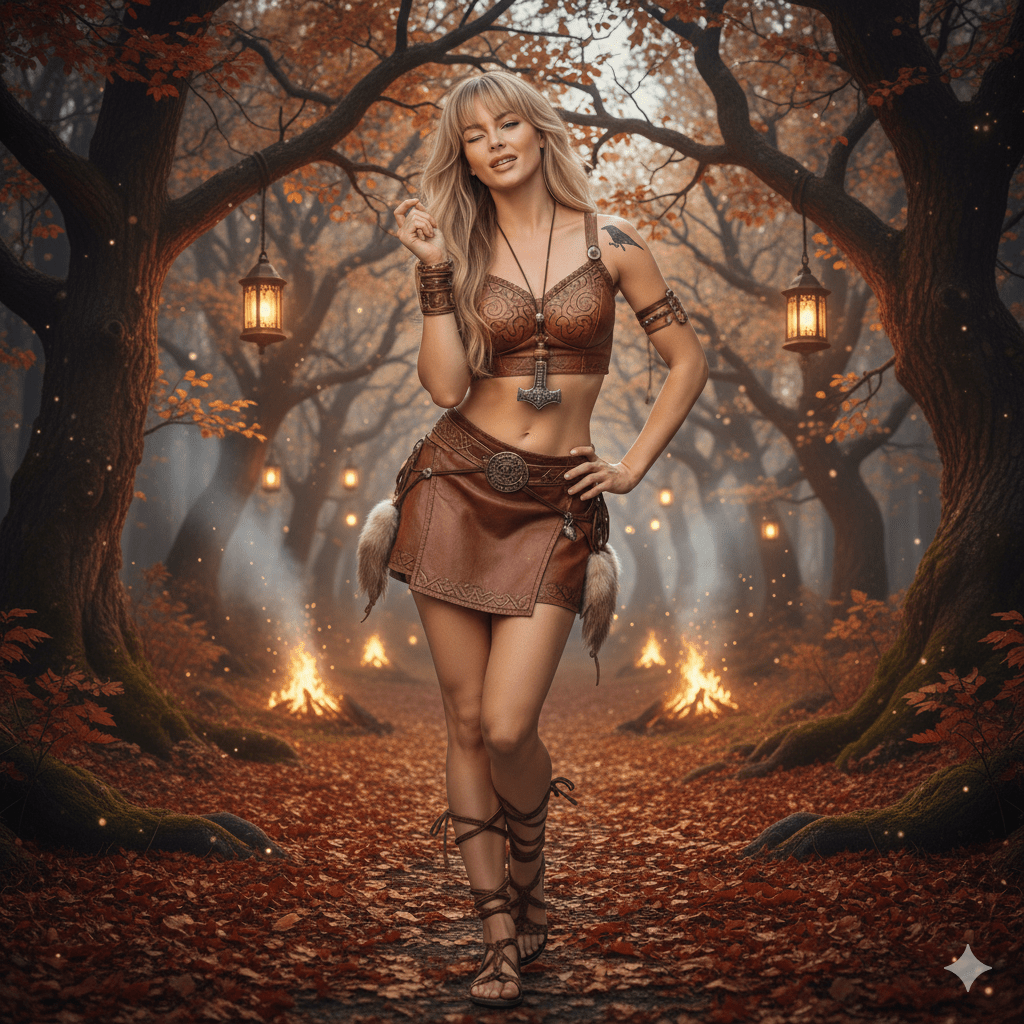
Balanced truth! https://youtu.be/pdR26Ep3nEQ
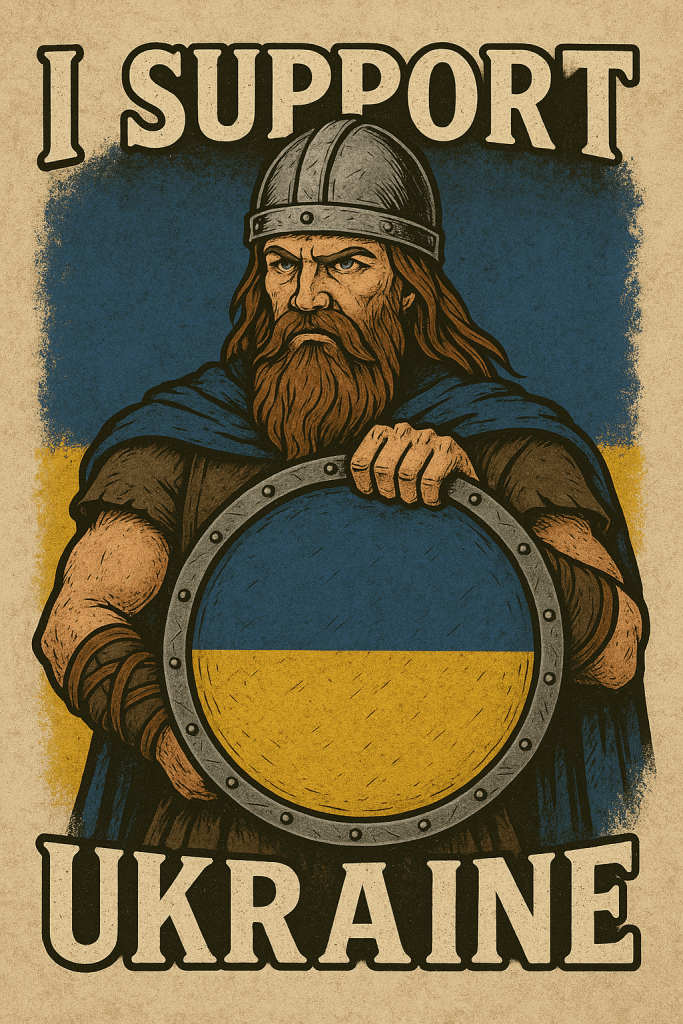
Honoring Ancient Virtues in the Digital Age
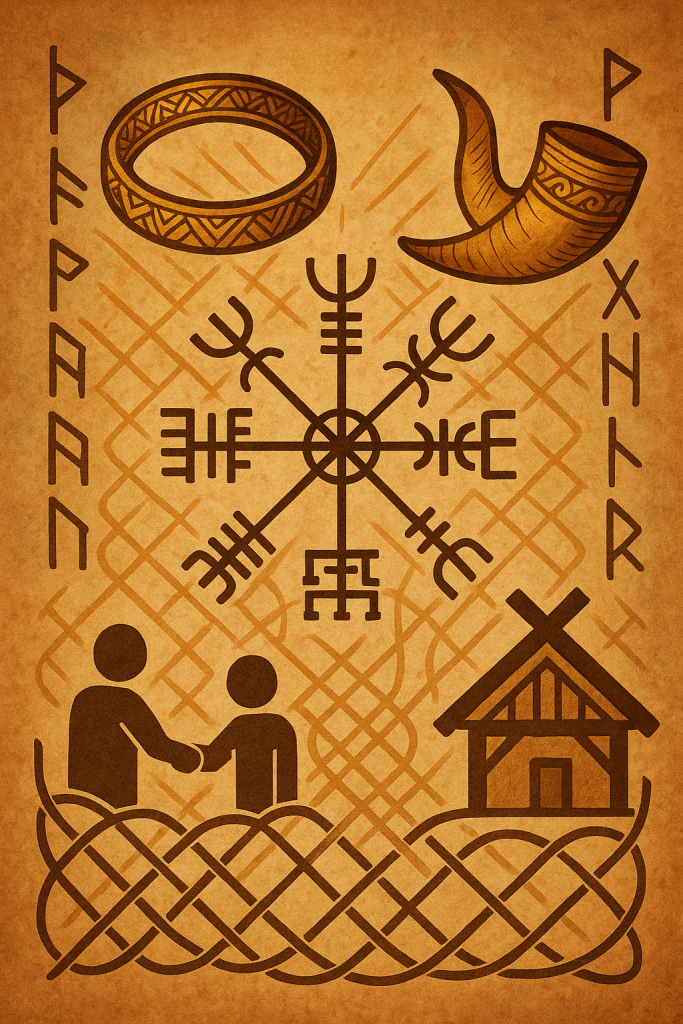
In today’s hyper-connected world, ancient Norse Pagan ethics can offer fresh guidance for how we conduct ourselves online. Many modern Heathens and Norse Pagan practitioners find wisdom in old values like honor, hospitality, wyrd (fate) and personal responsibility, and the importance of community and connection. These concepts, rooted in Viking-era life, can be translated into actionable practices for social media, gaming communities, and other virtual spaces. This essay explores the traditional meanings of these virtues and how we can apply them in modern digital contexts. The tone here is friendly and down-to-earth – not laying down rigid rules, but offering helpful ideas for spiritual seekers to enrich their online life with Norse Pagan values.
Honor and Hospitality: Ancient Virtues for Online Community
Honor and hospitality were cornerstones of Norse culture. In the sagas and the Hávamál (the sayings of Odin), being honorable meant living with integrity, keeping one’s word, and standing by one’s principles. Equally, hospitality was a sacred duty: everyone, even a stranger or enemy, deserved food, shelter, and respectful treatment under your roof. The ancient Norse took these obligations seriously. In fact, hospitality permeated almost every aspect of their society, shaping politics, religion, and daily life. This concept went beyond just providing a meal – it included generosity, reciprocity, and social respect. A guest could be a god in disguise, according to lore, so mistreating a visitor was not only shameful but possibly a divine offense. By the end of the Viking Age, hospitality rituals were highly developed and deeply woven into the Norse moral worldview. Odin himself has a lot to say about these virtues in the Hávamál, emphasizing how generosity and honor lead to a good life. For example, one verse teaches that “the generous and brave live best… while the coward lives in fear and the miser mourns when he receives a gift”. In other words, sharing with others brings strength and joy, whereas hoarding or deceit leads to misery.
How can we bring honor and hospitality into our online lives? In modern terms, honor might mean being truthful in our social media presence and treating others with respect, even when we disagree. Hospitality in a digital community means fostering a welcoming atmosphere – making newcomers feel valued and safe. Here are some actionable ways to practice these virtues online:
- Keep your word and be honest: If you promise to help someone in a forum or commit to an online project, follow through. Upholding your word builds a reputation for honor. Avoid spreading rumors or false information; as the Norse knew, few things damage honor more than lies.
- Welcome newcomers: Just as a Viking would offer a weary traveler a seat by the fire, you can greet new members in a group chat or game warmly. A simple “Welcome! Let me know if you have questions” is today’s equivalent of offering bread and mead. This digital hospitality helps build trust.
- Practice generosity and reciprocity: Share knowledge, resources, and kind words freely. In Norse culture, hosts and guests exchanged gifts as a sign of friendship – online, you might share useful advice, donate to someone’s creative project, or lend a hand moderating a busy discussion. If someone helps you, look for a way to pay it forward. As Odin reminds us, “friendships last longest between those who understand reciprocity.”
- Show courtesy even in conflict: Honor isn’t about avoiding all arguments, but handling them with integrity. In a heated debate on Twitter or Reddit, strive to “fight fair” – address ideas without personal attacks. Uphold the value of frith (peace between people) by knowing when to step away rather than escalate a flame war.
- Moderate with fairness and kindness: If you run an online group or guild, think of it as your virtual mead-hall. Set clear rules (house rules) and enforce them evenly, but also be forgiving of minor missteps. A good host in Norse terms listened more than they spoke – likewise, a good moderator pays attention to members’ needs and concerns.
By embedding honor and hospitality into our online interactions, we create digital spaces of trust and respect. An honorable gamer, for instance, doesn’t cheat or betray teammates, and a hospitable one might organize in-game events to include and encourage others. These practices echo the old ways in a relatable, non-dogmatic fashion. They simply remind us that behind every username is a person deserving of dignity – a truth the Norse held deeply, and one that can humanize our modern online experience.
Wyrd and Personal Responsibility: Weaving Fate on the Web
Another key Norse concept is wyrd, an ancient idea roughly meaning fate or the unfolding destiny of the world. Unlike a rigid predestination, wyrd is best understood as a web of cause and effect – a tapestry woven from the actions of gods and humans alike. The Old English word wyrd translates to “what happens” or “a turning of events,” and its Norse counterpart urðr is the name of one of the Norns (fate-weaving spirits). What makes wyrd fascinating is how it blends action and destiny. Heathens often say “we are our deeds,” meaning that our choices lay the threads of our fate. Every action you take influences the pattern of your life and even the lives of others. In Norse belief, your personal responsibility is immense: the future is not controlled by some distant god’s whim, but by the cumulative impact of what you and those connected to you do. At the same time, wyrd isn’t a solo tapestry – it’s interwoven. Your life thread starts with the circumstances you’re born into (your family’s orlög, or inherited fate), and as you live, your thread weaves in with others’ threads to form a greater tapestry. In essence, everyone’s actions affect everyone else to some degree. This idea of interconnection lies at the heart of the Heathen worldview.
Translating wyrd and personal responsibility into the digital context gives us a powerful metaphor: think of the internet as a great web of Wyrd. Every post, comment, or message is a new thread you spin or a knot you tie in this web. Just as the Norns in myth recorded deeds and wove destinies, our digital actions create real consequences and shape our online “fate” (reputation, relationships, opportunities). Embracing this mindset encourages mindful and responsible online behavior. Here’s how one might live by the principle of wyrd on the web:
- Recognize the ripple effect: In Norse terms, “we reap what we sow” – what you put out comes back in some form. A hurtful tweet or toxic gaming attitude can spread negativity through the network and eventually circle back as conflict or a damaged reputation. Conversely, helpful contributions and kindness can set in motion positive outcomes. Before hitting “send,” consider the strand of wyrd you are weaving.
- Own your actions and their outcomes: Personal responsibility online means taking ownership. If you make a mistake – maybe share incorrect information or say something hurtful in anger – honor dictates that you acknowledge it and try to make amends. In ancient times, one’s name and deeds were inseparable; similarly, your username or digital persona accrues the karma of your behavior. Apologizing and correcting course when needed is a very Heathen way to handle errors (better than trying to delete and pretend it never happened).
- Curate your digital “fate”: Just as a weaver can choose different threads, you have agency in what you post and engage with. Think about the legacy you’re creating online. Over years, your contributions – whether insightful blog posts or compassionate forum replies – become part of your digital wyrd. By consistently acting with integrity and purpose, you shape a destiny you can be proud of, both in the virtual world and in your own character.
- Beware the illusion of anonymity: The Norse held that even if deeds go unseen by human eyes, the gods (or wyrd itself) take note – nothing truly “vanishes.” In the digital age, anonymity can tempt us to shirk responsibility, but wyrd teaches that hidden actions still have real effects. Even on an alt account or behind a screen, you are still you, adding to the tapestry of your life. So, act in ways you would be comfortable with if all were brought to light. This doesn’t mean being paranoid – just accountable.
- Foster interconnected responsibility: Remember that wyrd connects us all. If you manage an online community, for example, your decisions influence the group’s fate (will it thrive or fall to chaos?). Encourage a culture where members think about how their contributions affect others. In a Discord server or subreddit, this could mean having guidelines that emphasize constructive posting and discourage dog-piling or witch-hunts. It’s about creating a healthy web where each thread supports rather than tangles the others.
In short, bringing the concept of wyrd into our online lives can make us more conscious digital citizens. It reminds us that every small action – a comment, a share, a DM – is a thread in a bigger story. By valuing personal responsibility, we become the weavers of our own fates on the internet, taking charge of the kind of environment we’re helping build. This approach is empowering and optimistic: much as a lone Viking warrior knew his courage and honor could inspire his fellows, a solitary poster’s good example can elevate an entire chat. We might not control everything that happens online (just as the Vikings knew storms or the Norns can upend plans), but we control our own deeds – and that is what shapes our wyrd.
Community and Connection: Building Kinship in Virtual Spaces
Norse Pagan life was inherently communal. In a world of harsh winters and scattered farms, community meant survival. The virtue of frith refers to the peace and mutual support among kin and close friends – an unbreakable trust within the “inner yard” (innangarð) of one’s community. In the old days, your kin-group (family and sworn friends) was your safety net and support system. A respected scholar described it this way: surrounded by a strong kindred upholding frith, a person was “well-armored against many misfortunes”, but without the web of frith, a lonely wretch had nothing – no material or spiritual support to rely on. Loyalty to one’s community was paramount; people stood up for each other no matter what, and hospitality was one way of promoting frith among them. This close-knit spirit even extended to relationships between chieftains and their warriors (oath-sworn communities that feasted in the lord’s hall enjoying the “joys of the hall” together). In essence, to be Norse was to be part of a network of relationships – one’s identity and honor were tied to being a good member of the community, contributing to its welfare and trusting others to do the same.
Today, many modern Norse Pagans and Heathens find themselves solitary practitioners due to geography or personal choice. You might not have a local kindred or hearth to gather with, but the good news is the digital world can help fill this gap. Online communities have become a global “hall” where we can meet around the virtual fire. In fact, it’s well documented that solitary Pagans use the internet to join wider communities and find that sense of belonging they crave. Social networks and forums allow people spread across the world to connect as if neighbors. A recent study found that online groups give solitary Heathens a global community and support network, effectively bridging the physical distances that separate us. This is a powerful thing: it means we can live out the Norse value of community and connection even if we’re the only Pagan in our town.
How can we build kinship and connection in virtual spaces in practical terms? Consider these ideas for fostering community, whether you’re a lone seeker or part of an online group:
- Seek out your digital “tribe”: Look for forums, Discord servers, or social media groups related to Norse Paganism, or other interest-based communities where you feel at home. Joining a respectful, well-moderated group can feel like entering a friendly mead-hall. Don’t be shy about introducing yourself – by mutual engagement and sharing, you’ll start to weave bonds of friendship. Over time, inside jokes, shared experiences (like celebrating a virtual blót or festival together), and mutual support can create a real sense of kinship across screens.
- Practice digital hospitality and frith: Treat your online community like family. Be the person who says happy birthday to members, checks in when someone is going through hard times, or shares resources freely. If you have a skill (say you’re good at making graphics or know the runes well), offer it to benefit the group. These small acts are the modern version of offering a horn of mead or helping a neighbor fix their roof. They build frith – a feeling of trust and goodwill. Also, mediate conflicts calmly: if two members clash, step in with a cool head to restore peace, much like a wise elder might have in a Viking village to keep the peace under one roof.
- Inclusive and safe spaces: In Norse halls, all guests had a degree of protection under hospitality – fighting was often banned in the hall to keep the peace. Similarly, cultivate an inclusive atmosphere online. Make it clear that hate speech, divisive politics, gatekeeping, doxing, cancel-culture, dogmaticism, harassment, or any conduct that breaks frith will not be tolerated. This doesn’t mean stifling debate or imposing dogma; it means ensuring everyone can speak around the fire without fear. A community that is welcoming for diverse members (of different backgrounds, political views, lifestyles, identities, etc.) embodies the best of hospitality in action. Remember that the All-Father Odin’s wisdom included caring for the underprivileged: “do not scorn a guest nor drive him away… treat the homeless well,” he counsels. In modern terms, that could be welcoming folks who are new or inexperienced.
- Shared rituals and learning: If you’re solitary, consider joining online group rituals or study sessions. Many digital communities hold video chats to celebrate solstices or do group readings of the Hávamál. Lighting a candle at your desk while others do the same across the world can genuinely foster a sense of spiritual togetherness. Likewise, sharing your personal experiences or creative expressions (poems, altar photos, etc.) can inspire others and invite them to know you better. A community is strengthened when people open up – as the Hávamál says, “a man among friends should be joyous and generous” (a paraphrase of its advice on friendship). Online, be generous with encouragement and positive feedback, so that others feel seen and valued.
- Maintain connection outside established groups: Not everyone clicks with existing forums, and that’s okay. You might form one-on-one connections – a pen-pal (or “keyboard-pal”) relationship with another practitioner, for example. Even following and engaging with Norse Pagan bloggers, YouTubers, or podcasters can provide a sense of community through audience fellowship. Many solitary Pagans comment that just knowing others are out there sharing this path makes them feel less alone. You’re weaving threads of connection whenever you interact sincerely, whether it’s two people or two hundred.
Ultimately, the spirit of community and connection in Norse ethics is about mutual upliftment and belonging. In the old world, a person alone was vulnerable; together, people thrived. The same is true online. By approaching digital spaces as real communities – filled with real human beings to care about – we enrich our spiritual lives and honor the legacy of our ancestors. Even without a physical longhouse or temple, we create a virtual hall where laughter, wisdom, and support are shared. In this way, a modern Heathen on a subreddit or a gamer guild can still live by the old code: stand by your folk, share your table (or bandwidth), and keep the bonds strong.
Conclusion
The ancient Norse did not live to see the age of the internet, but their values carry a timeless relevance. Honor, hospitality, wyrd, personal responsibility, community, and connection – these ideas helped hold Viking society together in difficult times, and they can do the same for us in our digital lives. By being honorable and welcoming, we set a positive tone in online interactions. By understanding wyrd, we become mindful that our digital deeds matter and that we are accountable for the worlds we weave on forums and social feeds. By building community and fostering connection, we ensure that even solitary souls can find a tribe and that our online halls are filled with camaraderie instead of loneliness.
In practice, applying Norse Pagan ethics online is less about strict rules and more about mindset. It’s choosing to see your Discord server or Twitter feed as a kind of community hall where the old virtues still have power: truth and courage in what you say, generosity in what you share, respect for all who enter, and responsibility for the impact you leave. These virtues are flexible and human-friendly – they don’t demand perfection, only that we try to live by them consistently. A friendly reminder from the Hávamál illustrates this spirit well: “No man is so wealthy that he should scorn a mutual gift; no man so generous as to refuse one.” In modern terms, we all have something to give and something to learn from each other.
So whether you’re a modern Viking-at-heart navigating a busy chat room, a gamer leading a guild, or a solitary Pagan blogger sending thoughts into the void, know that the old wisdom is on your side. By blending ancient values with modern tech, we can make our digital lives more meaningful, more connected, and more true to who we want to be. In doing so, we honor the spirit of our ancestors not by imitating their exact lives, but by living our own online lives with the same integrity, warmth, and sense of wonder that they prized. And that is a legacy worth carrying forward.
Sources:
- Hávamál – Poetic Edda (trans. various) – Odin’s advice on hospitality, generosity, and friendship.
- Alyxander Folmer, Wyrd Words: Pagan Ethics and Odin’s Rites of Hospitality, Patheos (2014) – on the central role of hospitality in Norse culture.
- Fjord Tours, “What is the Viking honor system?” – overview of Viking virtues like honor and hospitality.
- Karl E.H. Seigfried, “Wyrd Will Weave Us Together,” The Norse Mythology Blog (2016) – explains wyrd as the web of deeds and fate, and “we are our deeds” ethos.
- Skald’s Keep, “Frith & Hospitality” – describes frith as honest welcome and hospitality as fostering well-being in community.
- Winifred Hodge, “Heathen Frith and Modern Ideals,” The Troth – on the importance of kinship and frith in historical Heathen society.
- Thesis: Pagan Community Online: Social Media Affordances and Limitations (2019) – notes that solitary Heathens use online networks to find global community.
The Peanut Cup Tidings of Njord

Njord’s white-winged wanderers
wheeled over wagon-fields,
feathered folk from far waters
fared to the food-giver.
Golden-girded goodness,
grain and ground-nut joined,
sweetly set before spirits,
sung to the sky-fathers.
Land-wights lauded laughter,
long-fared ancestors leaned near,
blessings borne on bright breezes,
binding gift to giver’s heart.
Sea-Father’s sky-swimmers
sought the stone-plain’s feast,
fjord-feathered fish-finders
flew to the folk’s bounty.
Wave-Hall’s lord’s wing-thanes
won the nut-gold chalice,
sweet-earth’s brown sun-blood
sealed in moon’s round vessel.
Earth-Born’s ale-brothers
ate in ancestor’s gaze,
wind’s-whispered wight-blessing
wove the gift to giver’s soul.
Njǫrðr’s himinfuglar
sóttu steinvíðis veizlu,
fjǫrðfjaðra fiskleitarmenn
flugu til folkbaugs gǫfga.
Vág-hallar dróttmenn
unnu hnetgullskálina,
sætjarðar brún sólblóð
var innsiglt í tunglmána ker.
Jǫrðborinna ǫlbrœðr
átu í forföður augum,
vindhvísla vættablessun
vafði gjǫf til gefanda sálar.
🛡️ To Go Forward, We Must Go Back: The Viking Path Through the Free Internet’s Collapse

A Norse Pagan Manifesto for the Digital Age of Censorship, Surveillance, and Rebirth
I. The Storm Has Come
In the waning years of the second decade of the 2000s, we entered a digital winter.
The internet, once a chaotic sea of ideas, free expression, and rebellion, has been bound in chains.
What began as a grassroots revolution became a marketplace.
What once welcomed outsiders now enforces conformity.
- The left censors in the name of safety and inclusion.
- The right censors in the name of morality and tradition.
- Corporations censor to protect profits.
- Governments censor to keep their hold on truth.
All wear different masks. But all aim at the same thing:
Control.
As Norse Pagans, as seekers of liberty, as modern Vikings, we say: enough.
The way forward is not found in new platforms owned by the same forces.
It is not in Verified Badges, blue checks, algorithmic boosts, or digital IDs.
The way forward is found by turning back—to the wild web of the 1990s.
II. The Old Internet: What We Must Remember
The internet of the 1990s was:
- Anarchic
- Handmade
- Unfiltered
- Weird
- Deeply personal
- Spiritual and rebellious
It was a place where:
- People made homepages, not profiles.
- IRC and ICQ connected seekers across continents.
- Forums were sacred longhouses of conversation.
- Textfiles, zines, and .txt archives stored forbidden knowledge and sacred teachings.
- No one asked for your ID, face, location, or belief system.
You were known by your words, ideas, and character.
There were no:
- Algorithms to decide what you saw.
- Corporate Terms of Service to suppress your thoughts.
- App stores to gatekeep tools.
- AI filters deciding whether your speech was “safe.”
It was an open field, not a walled garden.
It wasn’t utopia—but it was free.
III. The Commercialization of the Internet: What Went Wrong
In the 2000s and 2010s, the internet was absorbed by the machine of modern capitalism and state power.
What happened?
- Websites turned into platforms.
- Platforms turned into brands.
- Brands turned into censors.
We were promised:
“Free access in exchange for your data.”
What we got:
Manipulated timelines. Shadowbans. Surveillance capitalism.
They turned connection into consumption.
Expression into marketing.
Community into echo chambers.
Now we live in:
- A digital panopticon, where every click is tracked.
- A moral warzone, where wrongthink is punished.
- A dopamine farm, where minds are harvested for profit.
This is not freedom.
This is not the spirit of the old gods.
This is not what we were meant to become.
IV. The Viking Way Forward: The Return to the 1990s Spirit
In Norse myth, after Ragnarök, the world is reborn.
And so too must be the internet.
To go forward, we must embrace a return—not to the exact technologies of the 1990s, but to its spirit:
- DIY
- Anonymity
- Community over clout
- Expression over optimization
- Depth over scale
V. Practical Steps to Reclaim Your Digital Freedom
Here is your rune-carved path back to digital sovereignty:
1. Abandon the Corporatized Platforms
- Mute or delete your profiles on Meta, Twitter/X, TikTok, and Instagram.
- Stop giving them your energy, soul, and sacred words.
Instead, move to:
- Mastodon (decentralized Twitter alternative)
- Lemmy (Reddit-style, but federated)
- WriteFreely or Bear Blog (independent blogging tools)
2. Rebuild the Homepage
- Create a personal website again.
- Make it your digital hall—your modern longhouse.
- Post your art, thoughts, poems, prayers, essays, and manifestos.
- Use tools like:
- Neocities
- Carrd
- WordPress (self-hosted)
- Neocities
Your homepage is your online altar. Make it sacred.
3. Use Decentralized & Encrypted Tools
| Purpose | Tool |
| Messaging | Signal, Session, Element (Matrix) |
| Browsing | Brave, Tor Browser, Librewolf |
| Video Hosting | PeerTube |
| File Sharing | Syncthing, IPFS |
| Archives | Z-Library backups, Libgen, Archive.org |
No more giving your data to the gods of Silicon Valley.
4. Rejoin the Forum & Chat Culture
- Find niche forums, webrings, and Discord alternatives.
- Use IRC or Matrix channels to rebuild intimate, deep, real-time communities.
- Host your own channels. Be a gothi of the digital hearth.
5. Pirate if You Must, Preserve Always
- Much of the sacred knowledge being erased today must be preserved.
- Use torrents and distributed backups for:
- eBooks
- Documents
- Videos
- Sacred and controversial texts
- eBooks
The modern Viking is also a digital archivist.
6. Practice Digital Anonymity Like a Rune Mage
- Use pseudonyms.
- Don’t link all your accounts.
- Use ProtonMail, Tutanota, and encrypted drives.
- Keep private what must be hidden. Let your public presence be intentional and mythic.
7. Support Indie Creators & Devs
- Give your gold (when you can) to:
- Artists
- Coders
- Writers
- Philosophers
- Decentralized tech projects
- Privacy tools
- Artists
We are building a new hall—brick by pixel—and it must be funded by those who believe.
VI. The Norse Pagan Heart of This Movement
The return to the 1990s web is more than nostalgia. It is a spiritual calling for Norse Pagans and lovers of freedom alike.
In our tradition:
- The world was made from the bones of giants.
- The gods carved meaning into the void.
- Each man and woman is responsible for their wyrd—their fate, shaped by deeds.
What deed could be more sacred now than to resist digital tyranny, and carve new runes in the hidden places of the net?
We are not meant to be content.
We are meant to be creators.
VII. Conclusion: Rewild the Net, Reclaim the Flame
We cannot reform the current system. It is too far gone.
But we can opt out.
We can create anew.
We can become digital landvættir—guardians of sacred space online.
Let the corporations fall. Let the platforms burn. Let the priests of algorithmic control fade.
Like the forests regrow after fire, so too shall the free internet rise—tended by those who remember.
Final Words from Véyrúnn:
“To sail forward now is to return to the source. To the mist-wrapped fjords of the early net.
Where every blog was a hut. Every forum a longhouse. Every user a rune-writer.
Rise again, o speaker of truth, o artist of thought, o digital drengr.
The gods of the wires await your return.”
#visaandmastercard #internetcensorship #govermentcensorship #stopkillinggames #stopkillingporn #stopkillingporngames #stopkillinganime #stopkillingmedia #stopkillingbooks #stopkillingmusic #stopkillingideas #returnofindyinternet #noidchecks #nosocialcreditsystem #peoplearenotproducts #peoplearenotf #Vikings #Viking #NorsePagan #NorsePaganism #Censorship #freedom #Freespeech #notorsale #switchtolinux #switchtoopensource #freethought #usevpns #returnof1990sindyinternet #neocities #internetpiracyreturnstokillcensorship #torrent #bittorrent #torbrower #bravebrower #returnofhomepages #personalblogs #supportopensource #opensourceai #irc #websharing #screwcopyrightlaws #copyleft #publicdomain #creativecommons #internetprivacy #onlineprivacy #GenX #askGenerationX #GenerationX #GenXeraInternetReturnstoFightCensorship
Norse Pagans Against Online Censorship!

#Vikings #Viking #NorsePagan #NorsePaganism #Censorship #freedom #Freespeech #visaandmastercard #internetcensorship #govermentcensorship #stopkillinggames #stopkillingporn #stopkillingporngames #stopkillinganime #stopkillingmedia #stopkillingbooks #stopkillingmusic #stopkillingideas #returnofindyinternet #noidchecks #nosocialcreditsystem #peoplearenotproducts #peoplearenotforsale #switchtolinux #switchtoopensource #freethought #usevpns #returnof1990sindyinternet #neocities #internetpiracyreturnstokillcensorship #torrent #bittorrent #torbrower #bravebrower #returnofhomepages #personalblogs #supportopensource #opensourceai #irc #websharing #screwcopyrightlaws #copyleft #publicdomain #creativecommons #internetprivacy #onlineprivacy #GenX #askGenerationX #GenerationX #GenXeraInternetReturnstoFightCensorship
Vikings Against Censorship!

#Vikings #Viking #NorsePagan #NorsePaganism #Censorship #freedom #Freespeech #visaandmasturcard #internetcensorship #govermentcensorship #stopkillinggames #stopkillingporn #stopkillingporngames #stopkillinganime #stopkillingmedia #stopkillingbooks #stopkillingmusic #stopkillingideas #returnofindyinternet #noidchecks #nosocialcreditsystem #peoplearenotproducts #peoplearenotforsale #switchtolinux #switchtoopensource #freethought #usevpns #returnof1990sindyinternet #neocities #internetpiracyreturnstokillcensorship #torrent #bittorrent #torbrower #bravebrower #returnofhomepages #personalblogs #supportopensource #opensourceai #irc #websharing #screwcopyrightlaws #copyleft #publicdomain #creativecommons #internetprivacy #onlineprivacy #GenX #askGenerationX #GenerationX #GenXeraInternetReturnstoFightCensorship
Screw Internet Censorship!
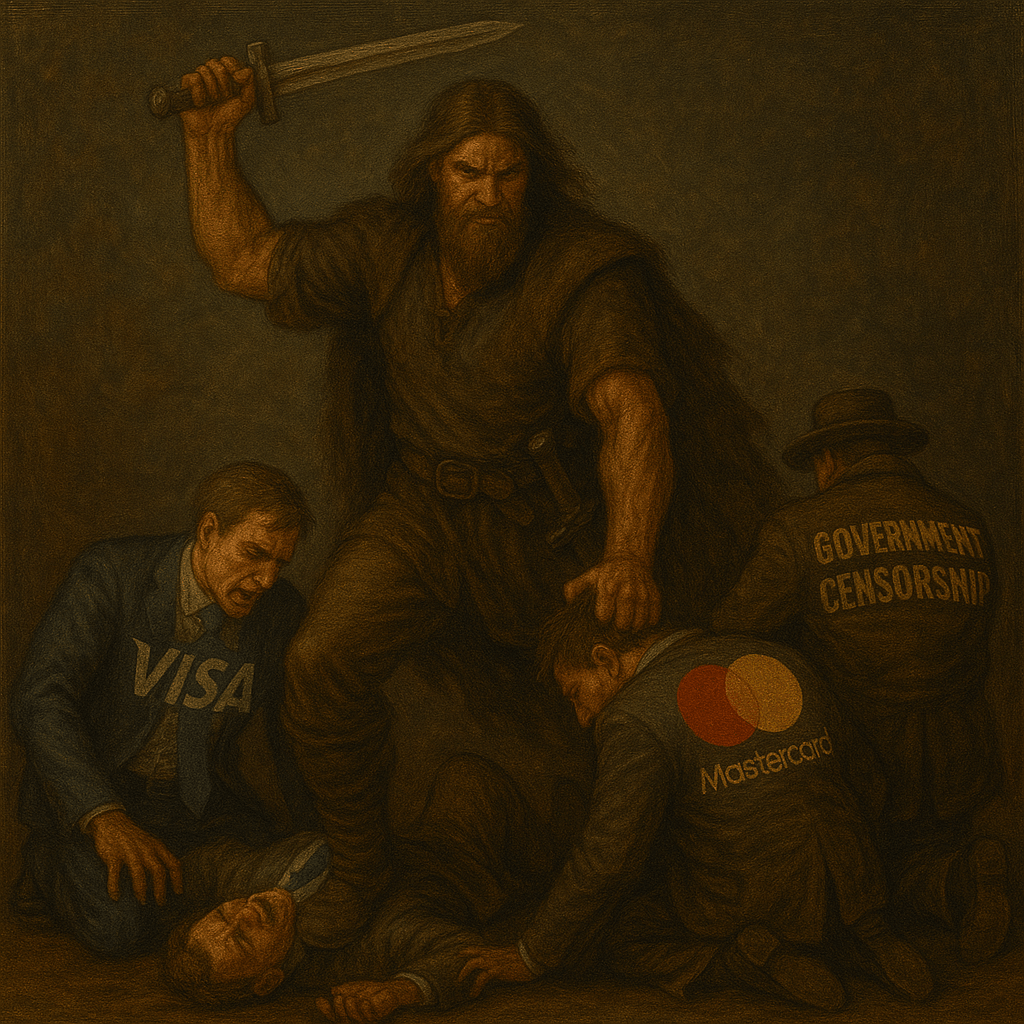
#Vikings #Viking #NorsePagan #NorsePaganism #Censorship #freedom #Freespeech #visaandmastercard #internetcensorship #govermentcensorship #stopkillinggames #stopkillingporn #stopkillingporngames #stopkillinganime #stopkillingmedia #stopkillingbooks #stopkillingmusic #stopkillingideas #returnofindyinternet #noidchecks #nosocialcreditsystem #peoplearenotproducts #peoplearenotforsale #switchtolinux #switchtoopensource #freethought #usevpns #returnof1990sindyinternet #neocities #internetpiracyreturnstokillcensorship #torrent #bittorrent #torbrower #bravebrower #returnofhomepages #personalblogs #supportopensource #opensourceai #irc #websharing #screwcopyrightlaws #copyleft #publicdomain #creativecommons #internetprivacy #onlineprivacy #GenX #askGenerationX #GenerationX #GenXeraInternetReturnstoFightCensorship

This work is licensed under a Creative Commons Attribution-NonCommercial-ShareAlike 3.0 Unported License.

 Volmarr’s Tumblr
- View On WordPress
- The Personal Norse Pagan Path That I, Volmarr, Follow.
- The Heathen Third Path within Norse Paganism and modern Viking culture
- Unveiling the True Viking Mindset: Clearing Away Modern Political Shadows with Ancient Wisdom and Modern Science
- Sample of AI GMed Norse Saga Engine Combat 2
- Poetic Edda: Complete Master Works Edition
- Sample of AI GMed Norse Saga Engine Combat
- Sample AI Generated Dialogue Generated by Norse Saga Engine:
- The Loom is Spinning: Enter the Norse Saga Engine
- Wow I just translated the whole Poetic Edda from Old Norse into poetic English in 25 minutes using…
 Volmarr's Blog of Modernist Heathenism, Norse-Paganism, and Norse-Wicca