Did the Vikings Use Incense As Bug Repellent?
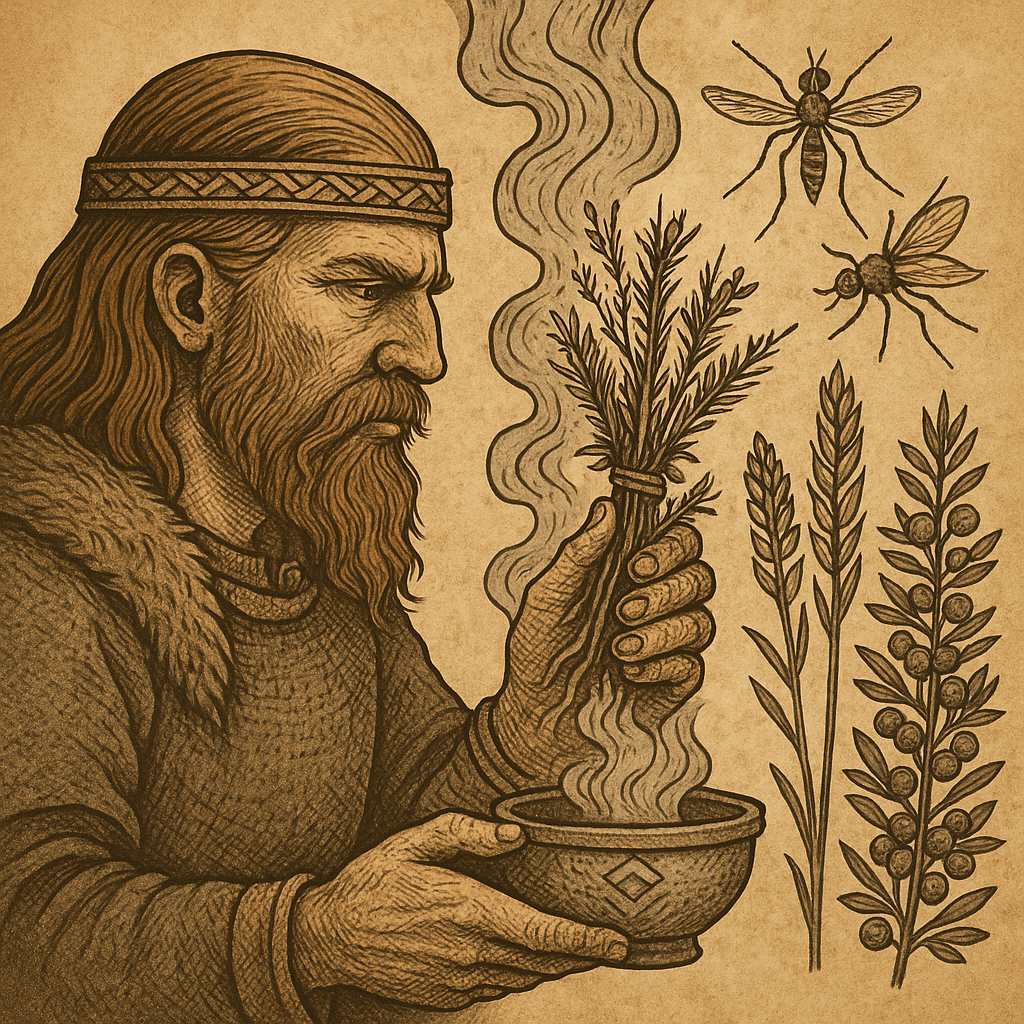
🌿 Evidence from ancient cultures generally
Many ancient societies across Europe, Asia, Africa, and the Americas used smoke from burning herbs, woods, and resins to drive away insects. This served multiple functions: ritual purification, offerings to gods or spirits, pleasant scenting of spaces, and practical repelling of biting insects.
Examples include:
- Ancient Egyptians burned frankincense and myrrh, which also helped keep away flies and mosquitoes.
- In India, burning neem leaves or other pungent herbs was traditional to repel insects.
- Indigenous groups across Africa and the Americas burned local plants specifically because the smoke drove off mosquitoes and flies.
🪵 Viking & broader Norse practices
For the Vikings and their ancestors in the Germanic world, direct references to using incense specifically as bug repellent are scarce in written sources, largely because most of their literature (like sagas or Eddic poetry) wasn’t interested in such domestic details.
However, archaeological and ethnobotanical studies, plus later Scandinavian folk practices (often thought to preserve older traditions), suggest:
- Juniper (Juniperus communis) was frequently burned. It was used ritually for purification, but the smoke also naturally drives away insects and was used to fumigate dwellings and barns.
- Mugwort, yarrow, and angelica were sometimes burned or hung in homes and on doorways. These herbs have insect-repelling properties.
- In the Viking Age, longhouses had central hearths burning constantly. This smoke would naturally deter mosquitoes and other insects.
Even if they did not burn herbs solely for insect control, the practice of fumigating spaces with aromatic herbs for blessing or cleansing often had the secondary effect of driving out pests.
🔥 Broader idea of “incense”
For the Vikings, “incense” as understood in the Roman or later Christian sense (fine imported resins burned in censers) wasn’t typical. However, they did burn local herbs, wood chips, and even resins from conifers (like pine and spruce) on hearths and fires, both inside and in ritual contexts outside. This fits the broader concept of incense: aromatic smoke for spiritual and sometimes practical purposes.
✅ Conclusion
So while we don’t have a saga quote like:
“And so did Bjorn burn mugwort in the longhouse to chase away the biting flies…”
—we do have:
- Archaeological evidence of burned herbs and resinous woods.
- Ethnobotanical records showing continuity into later Scandinavian traditions of burning juniper and herbs to cleanse and drive off pests.
- A general human pattern across ancient cultures of burning plants that happen to repel insects.
Thus, it’s highly likely the Vikings and other ancient Northern Europeans benefited from the insect-repelling side effects of burning aromatic plants—whether or not that was always their main intent.
🌿 Herbs, woods, and plants used in Viking Age or broader Norse / Germanic lands
🔥 Juniper (Juniperus communis)
- 🔸 How used: Bundles or branches thrown into hearth fires, or smoldered in braziers.
- 🔸 Insects repelled: Flies, mosquitoes, fleas, lice.
- 🔸 Notes: Still burned in Scandinavian farmhouses to “smoke out” pests & purify air.
🔥 Mugwort (Artemisia vulgaris)
- 🔸 How used: Burned as smudge sticks or strewn on coals.
- 🔸 Insects repelled: Moths, fleas, mosquitoes.
- 🔸 Notes: Also used magically to protect against evil spirits.
🔥 Yarrow (Achillea millefolium)
- 🔸 How used: Smoldered on coals or hung in bunches by doors & beds.
- 🔸 Insects repelled: General flying insects.
- 🔸 Notes: Valued for both wound-healing and as a pest deterrent.
🔥 Angelica (Angelica archangelica)
- 🔸 How used: Leaves or seeds burned on hearths.
- 🔸 Insects repelled: Flies, gnats.
- 🔸 Notes: Sacred plant in Norse tradition, linked to protection.
🔥 Birch (Betula spp.)
- 🔸 How used: Birch wood was common fuel. The aromatic smoke helped keep insects away.
- 🔸 Insects repelled: Flies, mosquitoes.
- 🔸 Notes: Birch tar itself is insecticidal and antiseptic.
🔥 Pine & Spruce resins
- 🔸 How used: Resin (pitch) tossed onto fires to produce fragrant smoke.
- 🔸 Insects repelled: Mosquitoes, midges.
- 🔸 Notes: Also used to waterproof ships, showing the resin was widely collected.
🔥 Bog myrtle / Sweet gale (Myrica gale)
- 🔸 How used: Sometimes burned, also stuffed into bedding.
- 🔸 Insects repelled: Fleas, lice.
- 🔸 Notes: Used in brewing as well — an herb for ale before hops.
🪶 Types of insects typically targeted
- 🦟 Mosquitoes & midges: Common in Scandinavian summers near fjords & wetlands.
- 🪰 Flies: A major nuisance in longhouses where livestock shared living spaces.
- 🪳 Fleas & lice: Burning fumigants helped cleanse bedding and clothing.
- 🐛 Moths: Protected stored woolens & furs.
🌬️ Practical & mystical crossover
In Norse culture there was often no hard line between “practical fumigation” and ritual. Burning juniper or mugwort could be a spiritual cleansing that also chased away fleas — a perfectly pragmatic kind of magic.
📝 Little pro tip if you want a modern Viking-style bug repellent
Try bundling dried juniper, mugwort, and a little pine resin, tie it with natural twine, and burn it in a safe outdoor fire pit. The smell is ancient and haunting — and it still works remarkably well on flies and mosquitoes.

This work is licensed under a Creative Commons Attribution-NonCommercial-ShareAlike 3.0 Unported License.

 Volmarr’s Tumblr
- View On WordPress
- The Personal Norse Pagan Path That I, Volmarr, Follow.
- The Heathen Third Path within Norse Paganism and modern Viking culture
- Unveiling the True Viking Mindset: Clearing Away Modern Political Shadows with Ancient Wisdom and Modern Science
- Sample of AI GMed Norse Saga Engine Combat 2
- Poetic Edda: Complete Master Works Edition
- Sample of AI GMed Norse Saga Engine Combat
- Sample AI Generated Dialogue Generated by Norse Saga Engine:
- The Loom is Spinning: Enter the Norse Saga Engine
- Wow I just translated the whole Poetic Edda from Old Norse into poetic English in 25 minutes using…
 Volmarr's Blog of Modernist Heathenism, Norse-Paganism, and Norse-Wicca