Unyielding Honor: The Viking Demand for Truth and Reliability
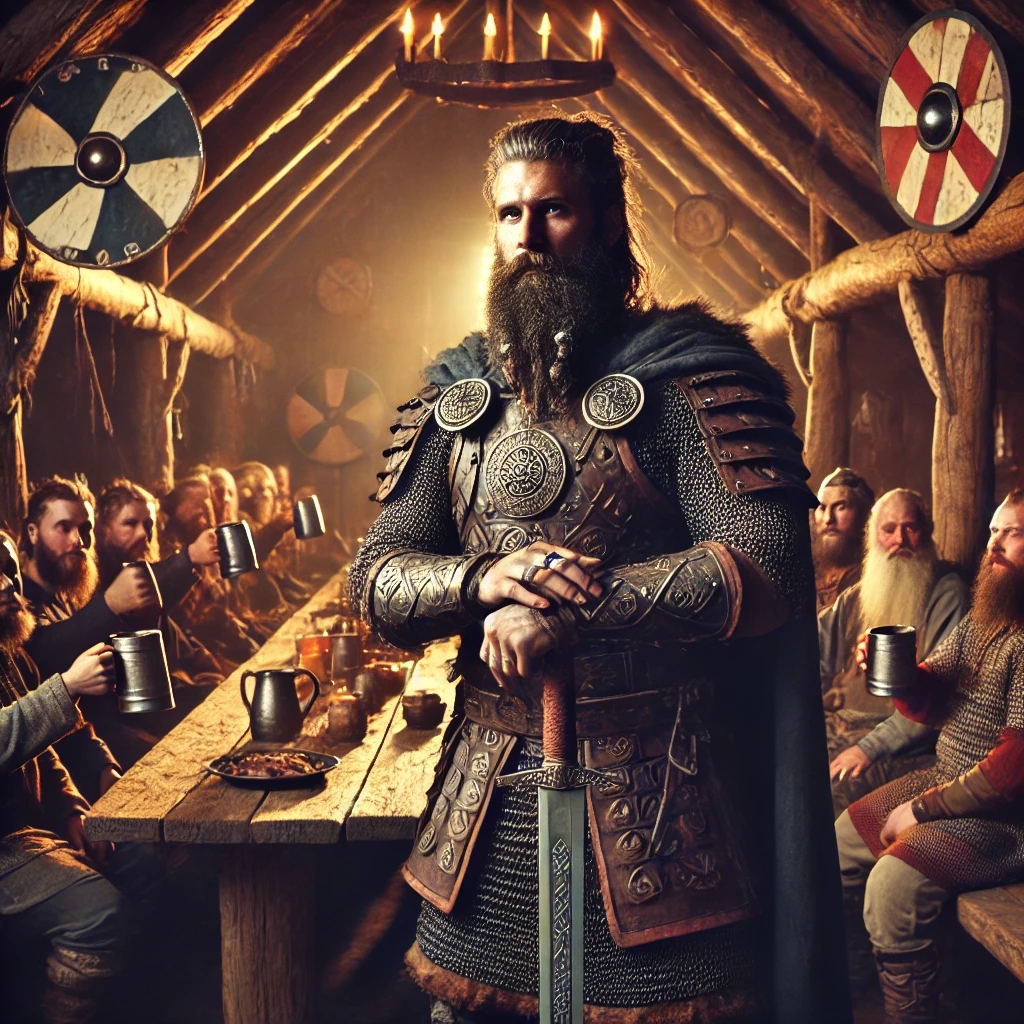
From a traditional Norse or “Viking” standpoint, reliability and honesty were indeed of paramount importance. While popular culture often focuses on the Vikings as raiders and explorers, Norse society—like most tight-knit communities—relied on mutual trust and clear expectations to function smoothly. Below are some cultural and historical insights that underline why saying one thing and doing another would be seen in an extremely negative light in a Viking context:
1. Honor and Reputation (Drengskapr)
- Key Norse Concept: Among the Vikings, a person’s honor (drengskapr) was intimately tied to their reputation in the community. If you broke your word, it wasn’t just a private matter; it could tarnish your name, impact alliances, and diminish your standing.
- Long-Term Consequences: In small Norse communities, once your reputation was damaged, it was difficult to recover. Oath-breakers or those who spoke untruths could become social outcasts, losing the protection and support of the community.
2. The Weight of Oaths
- Binding Agreements: Oaths (especially formal ones) were taken very seriously in Viking society—sometimes witnessed by a god like Odin or by representatives of a community.
- Legal and Social Ties: Disputes, deals, and even friendships (fostering or blood-brotherhood) were cemented by solemn pledges. Reneging on these vows was seen as not only dishonorable but also dangerous—potentially sparking feuds.
3. Saga Literature Examples
- Condemnation of Betrayal: In the sagas, characters who violate their word or betray someone’s trust often become tragic figures, sometimes facing harsh retribution or living in shame.
- Enduring Legacy: These stories served as cultural touchstones. They taught that deceit could lead to broken alliances, vengeance, and even the downfall of entire families or communities.
4. Reciprocal Responsibility
- Social Glue: Reliability and honesty weren’t just individual virtues; they were necessary for the entire Norse social fabric. A chieftain or jarl who deceived his people lost loyalty, just as a free farmer (bondi) who betrayed a neighbor could lose essential support.
- Collective Security: In a harsh environment, you depended on your neighbors and allies for survival—especially during winter, or when out at sea. Flaking out or double-crossing someone jeopardized everyone’s well-being.
5. Modern “Viking” Values
- Neo-Pagan & Modern Interpretations: Many individuals today who follow a Norse-inspired path embrace those traditional tenets of honesty, loyalty, and respect because they resonate with the spirit of the sagas.
- Personal Integrity: Acting consistently and honoring commitments is viewed not just as a personal virtue but as a way to honor the gods and ancestors—living up to the standard set by the old stories.
Final Thoughts
In Viking culture, giving your word was akin to making a sacred bond, and walking it back—especially without good reason—would be a severe blow to one’s honor. The resulting loss of trust could have real social and even existential consequences in a tightly knit community.
While modern life is far removed from the Norse era, many who embrace or admire Viking values see honesty and reliability as pillars of that tradition. Thus, from this perspective, consistency in word and deed isn’t just a polite social norm; it’s a core component of personal honor and communal respect.

This work is licensed under a Creative Commons Attribution-NonCommercial-ShareAlike 3.0 Unported License.

 Volmarr’s Tumblr
- View On WordPress
- The Personal Norse Pagan Path That I, Volmarr, Follow.
- The Heathen Third Path within Norse Paganism and modern Viking culture
- Unveiling the True Viking Mindset: Clearing Away Modern Political Shadows with Ancient Wisdom and Modern Science
- Sample of AI GMed Norse Saga Engine Combat 2
- Poetic Edda: Complete Master Works Edition
- Sample of AI GMed Norse Saga Engine Combat
- Sample AI Generated Dialogue Generated by Norse Saga Engine:
- The Loom is Spinning: Enter the Norse Saga Engine
- Wow I just translated the whole Poetic Edda from Old Norse into poetic English in 25 minutes using…
 Volmarr's Blog of Modernist Heathenism, Norse-Paganism, and Norse-Wicca